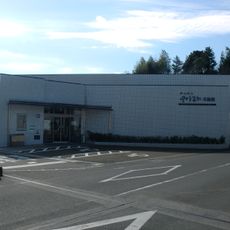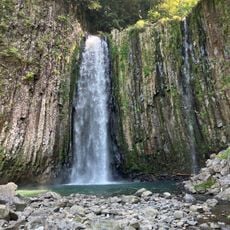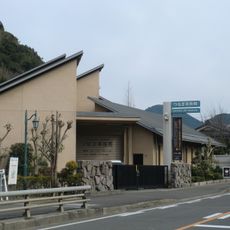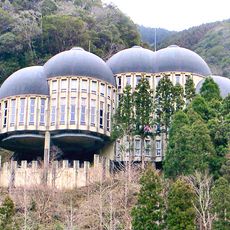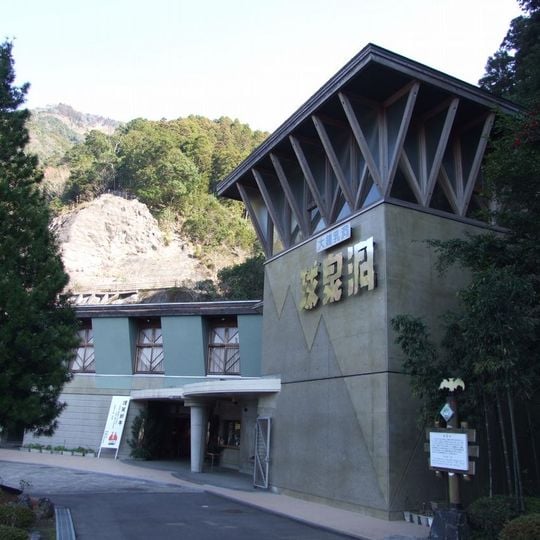
Kyūsendō, Limestone cave in Kuma Village, Kumamoto Prefecture, Japan
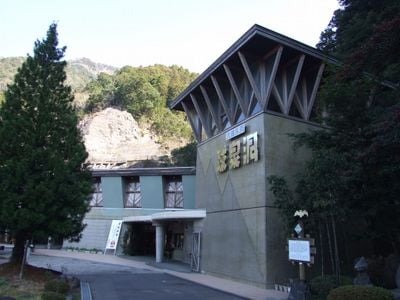
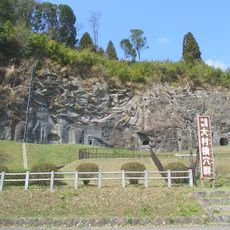
Kyūsendō is a limestone cave in Kuma, Kumamoto Prefecture, with a total mapped length of 4,800 m across its first and second main branches, the longest in Kyushu. About 800 m is open to visitors, entered from the road through a tunnel and kept at roughly 16°C year-round. Inside are flowstone, potholes cut by underground streams, a natural bridge, cave coral, helictoids and helictites, rimstone and dome-shaped mammillary stalagmites, seen from steel stairways and bridges.
The limestone layer formed about 300 million years ago in the sea, then rose and was eroded by rainwater flowing into the Kuma River. In March 1973, an Ehime University expedition descended a vertical shaft known as a bat roost and found the cave 70 m underground; after about two years of survey, part of it opened to the public in 1975. Mudflows from the July 2020 Kuma heavy rain closed it for 1 year and 9 months, and it reopened in April 2022.
The cave's name combines characters for sphere and spring, and the vertical shaft on the mountainside was long known as a bat roost before cavers descended it. Inside, shelves hold bottles of Kuma shōchū bought by visitors, left to mature for up to twenty years; the idea began as a wine-storage proposal by the head of the forestry cooperative that manages the cave.
The main route passes comfortably through the major passages and takes roughly half an hour, while the adventure course requires special equipment and a guide. Both paths feature wet and slippery sections, so sturdy footwear is necessary.
Streams and dripping water continuously sculpt new mineral forms within the cave while simultaneously dissolving older deposits away. This means the underground landscape slowly shifts and transforms with the passage of time.
The community of curious travelers
AroundUs brings together thousands of curated places, local tips, and hidden gems, enriched daily by 93,440 contributors worldwide.