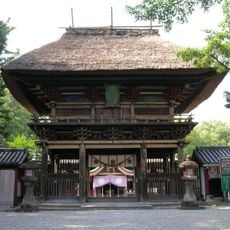
Kōriyama hachiman-jinja, Shinto shrine in Japan
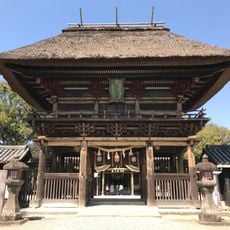
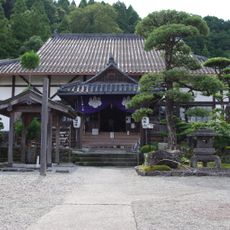
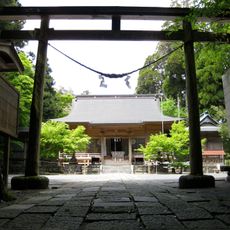
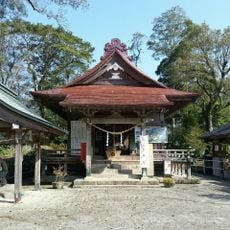
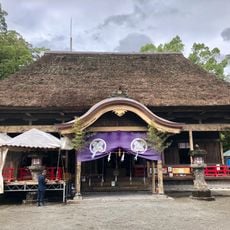
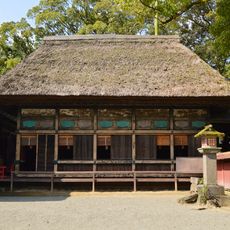
Kōriyama hachiman-jinja, formally named Hachiman Jinja, is a Shinto shrine in Isa, Kagoshima Prefecture. Its honden, designated a National Important Cultural Property in 1949, is a three-bay-by-three-bay irimoya-style building with a gabled entrance porch, covered in shingles. The structure shows Ryukyuan cultural influence in its architectural style.
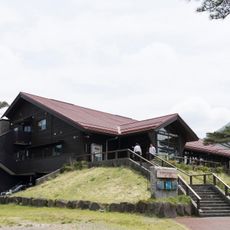
According to tradition, the shrine was founded in 1194 when Hishikari Shigemitsu, ancestor of the Hishikari clan, received a divine oracle and invited the deity from Usa Hachimangū. The main hall was rebuilt by 1507, as an ink inscription found on roofing boards during dismantling shows, and it was repaired around 1559. In 2021 a typhoon damaged the torii, and in 2022 the shrine office burned down; it was rebuilt in 2023 with about 6 million yen raised by crowdfunding.
The shrine's name in common use, Kōriyama Hachiman, differs from its formal name, Hachiman-jinja. It honours Empress Jingū, and the Hishikari clan, descendants of founder Shigetaka, long supported it. The 1559 head-tie plank, kept because of its inscription, records carpenters' complaint that the presiding priest gave them no shochu.
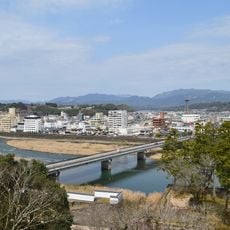
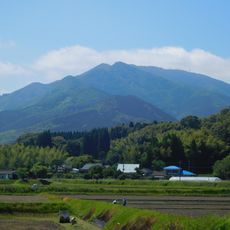
The shrine stands in the Isa basin, and the 2021 typhoon damage to the torii and the 2022 fire that destroyed the shrine office show why the rebuilt office, completed on 29 October 2023, is worth noting. Visitors arriving by car should allow time to examine the honden's cypress-bark roof and the marker explaining the 1559 shochu inscription.
During the 1954 dismantling of the main hall, a wooden slip nailed to a horizontal beam was found bearing the word "shochu" in ink, the earliest known written use of the term in Japan. It records a complaint that the presiding priest was so stingy he never once served the drink to the workers.
The community of curious travelers
AroundUs brings together thousands of curated places, local tips, and hidden gems, enriched daily by 93,942 contributors worldwide.