Shibi-jinja, Shinto shrine in Japan
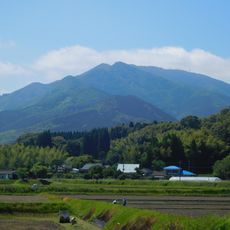
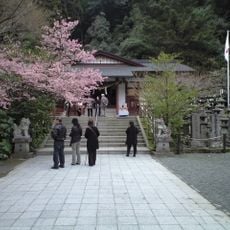
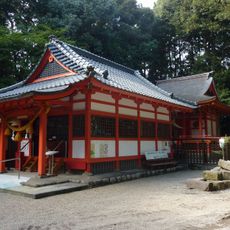
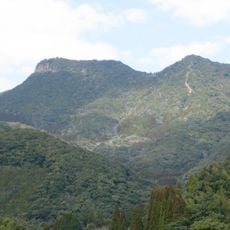
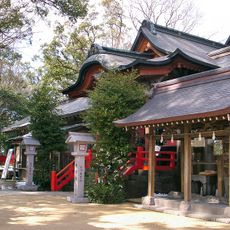
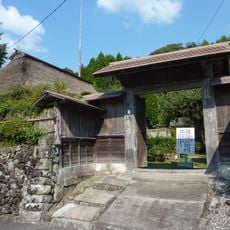
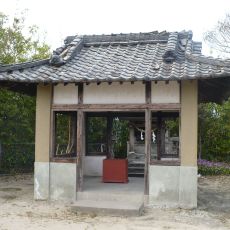
Shibi-jinja stands at the foot of Mount Shibi in Satsuma, where its worship hall is built over a hot-spring source called Kami no Yu. The shrine enshrines Ninigi-no-Mikoto, Hohodemi-no-Mikoto and Ugayafukiaezu-no-Mikoto, and its three large mirrors are said to have been donated by Minamoto no Sanetomo. A small upper shrine, Ue-no-miya, was built near the summit by the monk Sokaku.
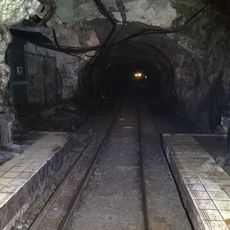
Tradition credits the monk Sokaku with founding the shrine during the reign of Emperor Keitai, in 522, after a dream at the summit of Mount Shibi; the deity Hachiman was later enshrined there. In the mid-17th century, a divine oracle at the shrine led to the discovery of the Nagano gold mine, which drew miners as pilgrims. The shrine appears in the Nihon Sandai Jitsuroku, promoted from junior sixth rank to junior fifth rank in 866.
The shrine was the tutelary sanctuary of the seven villages of the Kedo-in district (Yamazaki, Omura, Kuroki, Sashi, Imuta, Miyanojo and Tsuruda), and later of all northern Satsuma. Its three deities are Ninigi-no-Mikoto, Hohodemi-no-Mikoto and Ugayafukiaezu-no-Mikoto, honoured with three large mirrors said to have been donated by Minamoto no Sanetomo. The name Shibi comes from the purple clouds the monk Sokaku saw over the mountain.
The shrine stands in a remote spot, reached by road up the Shibi valley rather than from town streets. Its offering hall is built over the source of the Shibi hot spring, so the water rises directly beneath the worship area. New Year visits draw around 10,000 people, making that the busiest time; at other times the grounds are quiet.
Near the shrine, healing hot springs known as Kami no Yu or God's bath flow directly from beneath the offering box. Ryokans and inns were built around these springs where visitors have long come to bathe for relaxation and healing.
The community of curious travelers
AroundUs brings together thousands of curated places, local tips, and hidden gems, enriched daily by 93,440 contributors worldwide.