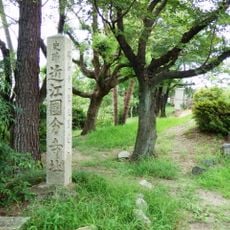
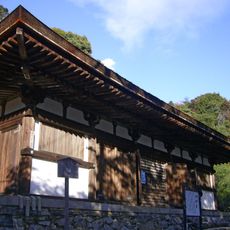
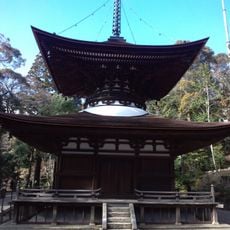
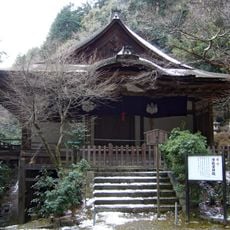
Tachikisanji, Buddhist temple in Ōtsu, Japan.
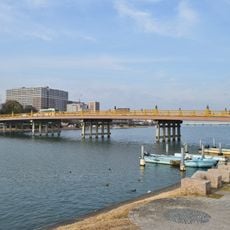
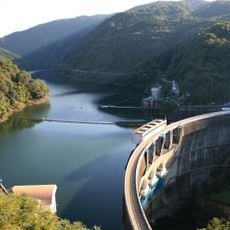
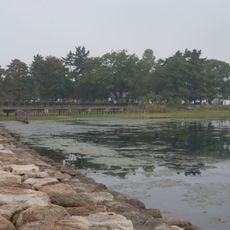
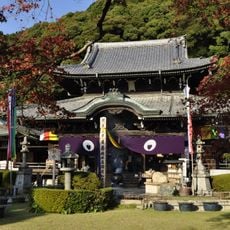
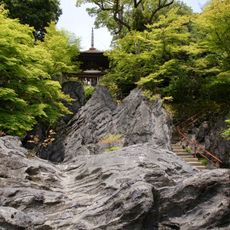
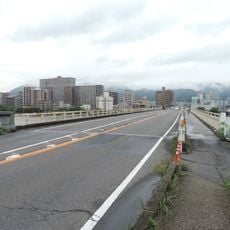
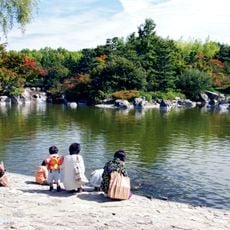
Tachikisanji is a Buddhist temple situated near the Seta River, which flows from Lake Biwa toward Kyoto and Osaka. The grounds feature natural landscapes and traditional structures that display the classic layout of a Japanese temple.
According to temple tradition, Kūkai (Kōbō Daishi) founded the temple in 815, at age 42, after a white deer carried him across the Seta River to a glowing sacred tree. He carved a life-size Kannon image from the rooted tree. Originally a Shingon temple, it later became part of the Jōdo school.
The honzon is a standing Shō-Kannon carved by Kūkai from a living tree, kept rooted in place, which gives the temple its name Tachiki (standing tree). Kūkai was 42, his yakudoshi year, so the image is revered for warding off misfortune. Every month on the 17th, the ennichi, pilgrims crowd the grounds; in January a tea reception is held at the ochaya near the Hondō.
From Ishiyama Station on the JR Biwako Line, take a Jiangyō Kōtsū bus about 25 minutes to the Tachiki Kannon-mae stop, then climb roughly 800 steep stone steps in 15 to 30 minutes. The old pilgrimage path from the Nangō Onsen stop takes about 50 minutes and is longer but less steep. Reception is open 9:00 to 16:30, and there are 50 ordinary and 10 large parking spaces.
The temple is also called Motokōyasan, "original Mount Kōya", because Kūkai is said to have founded it in 815 before establishing Kongōbu-ji on Mount Kōya in Kii Province. The valley below is named Shishitobi, "deer leap", after the white deer that carried Kūkai across the fast Seta River and then turned into Kannon.
The community of curious travelers
AroundUs brings together thousands of curated places, local tips, and hidden gems, enriched daily by 94,368 contributors worldwide.