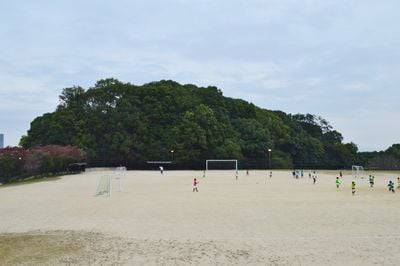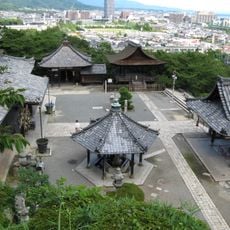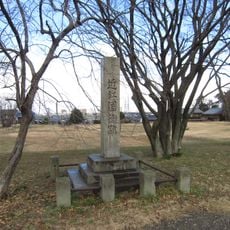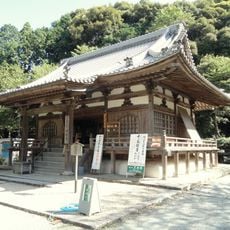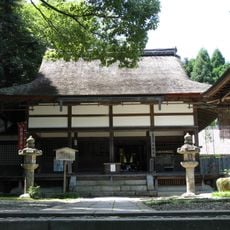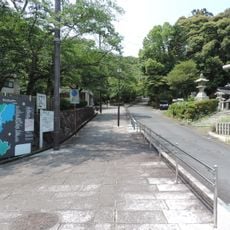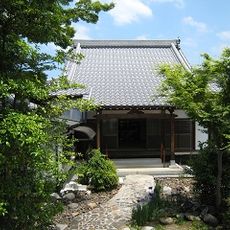
Chausuyama Kofun, Keyhole-shaped burial mound in Mibu, Japan
Chausuyama Kofun is a burial mound with a distinctive keyhole shape, featuring one squared end and one circular end. The structure measures roughly 91 meters long and rises about 12 meters high.
The mound was built around the 6th century and reflects an important burial tradition of that era. Its designation as a National Historic Site in 1958 underscores its significance for understanding this historical period.
Archaeological work at the mound uncovered clay figurines and pottery that offer glimpses into how people lived during this era. These objects suggest the important status of the person buried here.
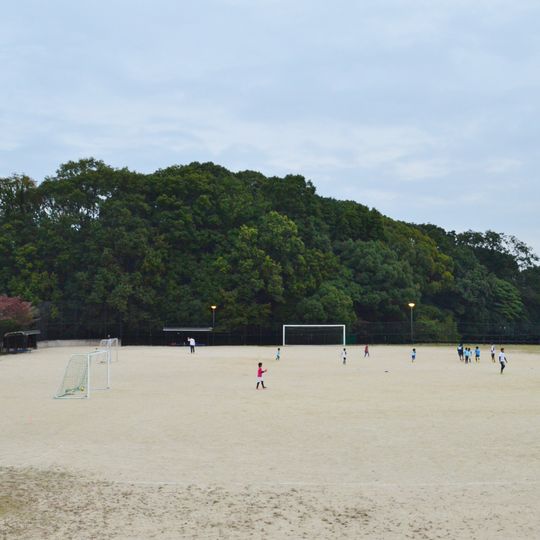
The mound sits about 100 meters above sea level near the Kurokawa River and is reasonably accessible on foot. Clear weather is best for visiting, so you can see the structure's shape clearly from different angles.
One striking find from excavations is a clay model of a house that stands over 180 centimeters tall. This rare object offers insight into the architectural styles and building practices of that ancient period.
The community of curious travelers
AroundUs brings together thousands of curated places, local tips, and hidden gems, enriched daily by 91,267 contributors worldwide.