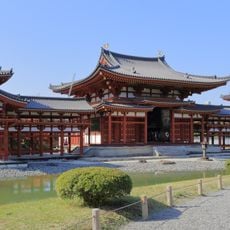
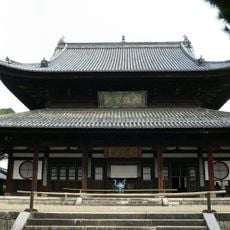
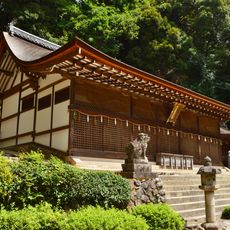
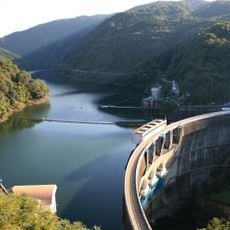
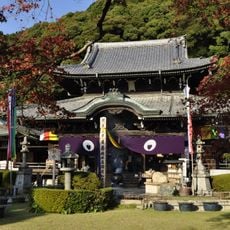
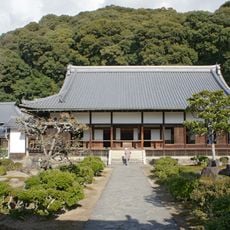
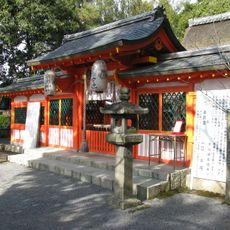
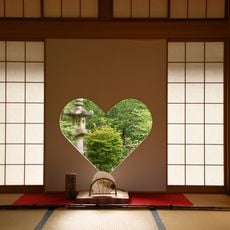
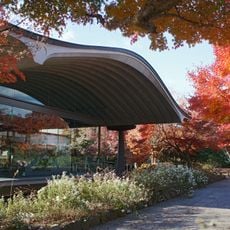
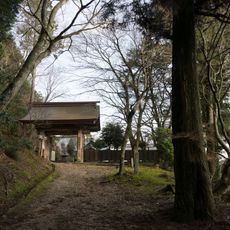
Zenjōji, Buddhist temple in Ujitawara, Japan.
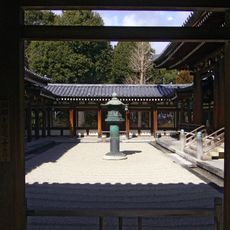
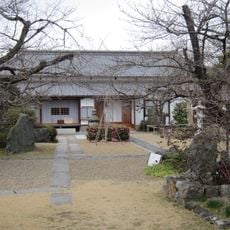
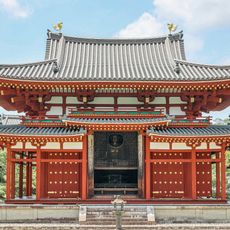
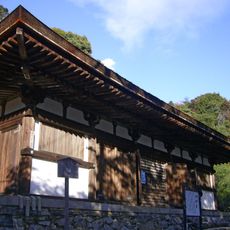
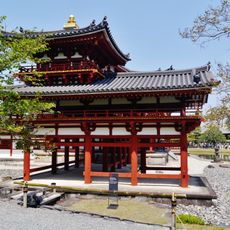
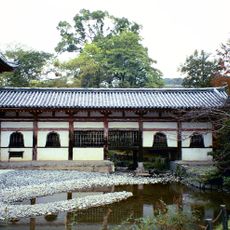
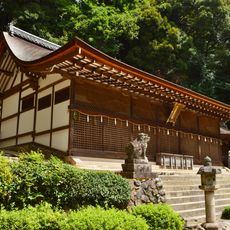
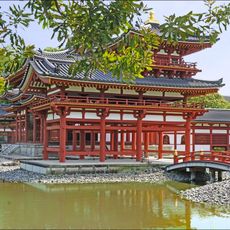
Zenjōji is a Buddhist temple in Ujitawara featuring traditional Japanese buildings, prayer halls, gates, and meditation spaces arranged across substantial grounds. The layout combines multiple structures that work together to create a cohesive religious environment.
According to the temple's own construction record, the monk Heisō, formerly head of Tōdai-ji, founded Zenjōji on the site of an earlier temple called Kuwaridera. Building began in 987 with the patronage of Fujiwara no Kaneie, and the main hall with its eleven-headed Kannon was completed in 995. In 1071 the estates were donated to Byōdō-in, making Zenjōji its branch temple; it declined in the Sengoku period and was revived in 1680 by Getsushū Sōko, who brought it into the Sōtō school.
The temple's name comes from the Zenjōji estate, whose lands were donated by the monk Heisō in 1001 and later passed to Byōdō-in in 1071. The eighteen deities of the Jūhachi Zenshin-dō, from Bion-shin to Henkan-shin, are honoured as the temple's guardians. The temple is now a Sōtō Zen foundation, having changed school after the monk Gesshū Sōko restored it in 1680.
Visiting hours are 9:00 to 16:00. From JR Uji or Keihan Uji Station, or Kintetsu Shintanabe Station, take a Kyoto Keihan bus toward Ichūmae or the Ryokuenzaka/industrial park area and get off at Ichūmae or Iwayama, then walk about 30 minutes; only the Ryokuenzaka-bound buses stop at Iwayama. Taxis often wait at Ichūmae, and the town's free welfare bus runs five round trips a day to the Zenjōji stop on its north route, but not on weekends, holidays, Obon or New Year.
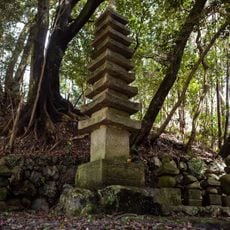
The temple's bronze bell was melted down for metal during World War II; the current bell was recast in 1979 through the wish of Takeharu Nakagawa of Arashiyama, Kyoto. The five-ring stone stupa in the grounds dates from 1342.
The community of curious travelers
AroundUs brings together thousands of curated places, local tips, and hidden gems, enriched daily by 94,359 contributors worldwide.