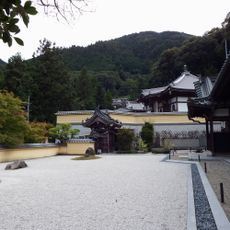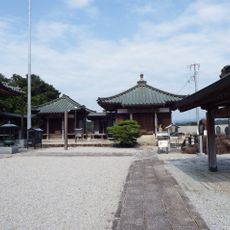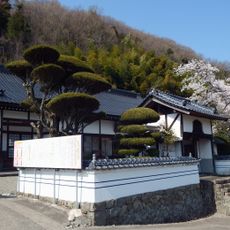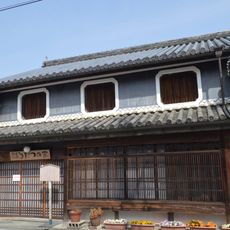
Awai-jinja, Shinto shrine in Japan
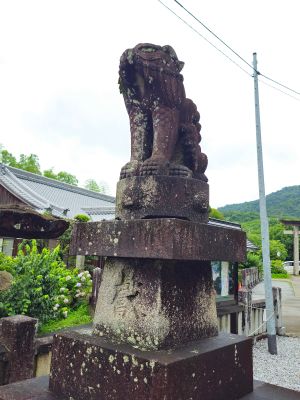
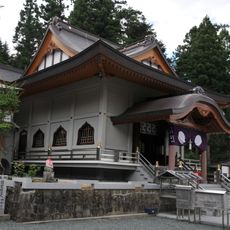
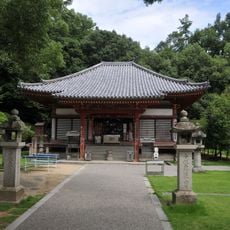
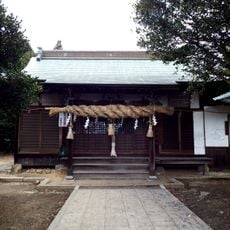
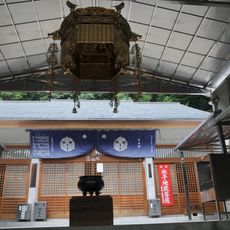
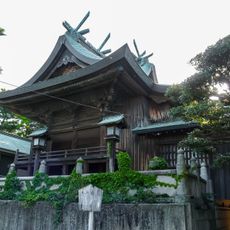
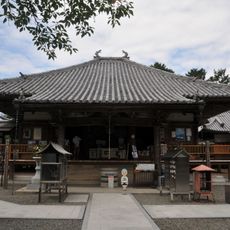
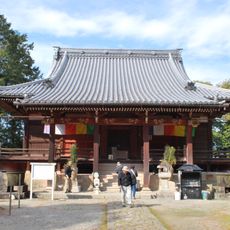
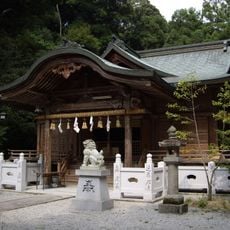
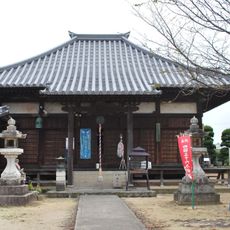
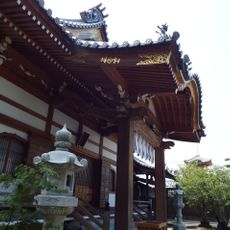
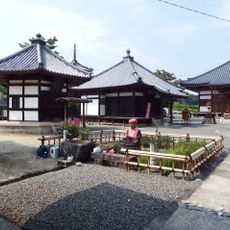
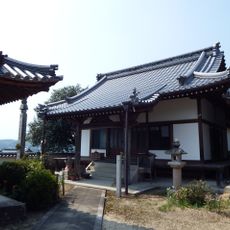
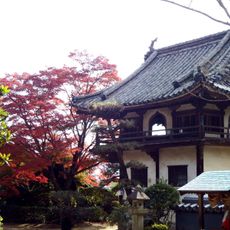
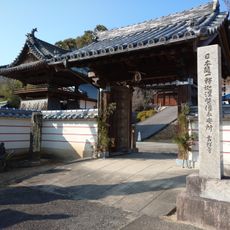
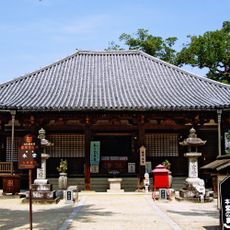
Awai-jinja is a Shinto shrine in Kanonji designed in nagare-zukuri style, where the roof curves gently and extends beyond the walls. The structure displays simple yet graceful wooden craftsmanship characteristic of traditional Japanese building methods.
The shrine's founding date is unknown; tradition credits the Sanuki Inbe clan with enshrining Amanofutodama no Mikoto when they cleared the land. It appears as a myojin in the Shoku Nihongi in 842 and received the junior fifth rank in 864. It burned in 807 and was moved to its present site in 1004. The honden was rebuilt in 1620 by Ikoma Masatoshi and again in 2001.
The shrine is also called Ajisai-no-miya, or Hydrangea Shrine, after the roughly 3,000 hydrangea plants in its grounds. On the third Sunday of June it holds the Ajisai Festival, with koto music, a drum-and-fife parade, the Awai Ondo dance, recitations, belly dancing, taiko drumming and goldfish scooping.
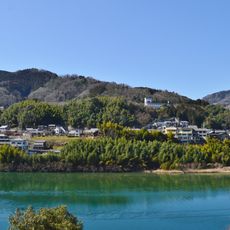
The shrine stands at the foot of Mount Fujime beside Iwanabe Pond, about 15 minutes by car from Kannonji Station on the JR Yosan Line. The hydrangea festival is held on the third Sunday of June, from 10:00 to 13:30, with taiko drumming, koto music and goldfish scooping; shuttle buses run from below the grounds.
The shrine was historically known as Karita-daimyojin and served as the protector of a large territory covering most of Kanonji City and parts of Mitoyo City. Local people trusted that this place kept their lands safe for generations.
The community of curious travelers
AroundUs brings together thousands of curated places, local tips, and hidden gems, enriched daily by 94,575 contributors worldwide.