Tōjuin, Buddhist temple in Samani, Japan
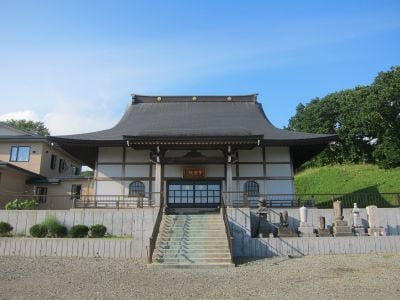
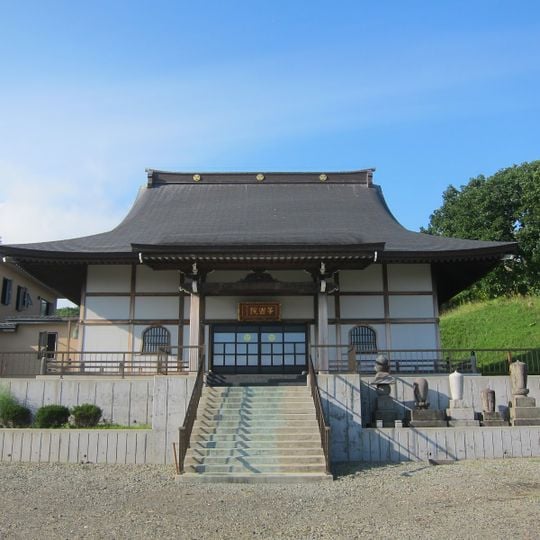
Tōjuin is a Buddhist temple in eastern Hokkaido, established as one of the Three Temples of Ezo by the shogunate to extend imperial authority over the region. The grounds contain a Buddha statue dating to the Kamakura period, and a tourist information center sits nearby to assist visitors.
The temple was founded in 1806 as part of efforts to strengthen control over eastern territories during rising tensions with Russia. After closure in 1885, community members worked together to restore it, demonstrating its value to local residents.
The temple carries the name of a departed lord and serves as a place where visitors experience tranquil spiritual practices rooted in local tradition. Its architectural style reflects classical Japanese design elements visible throughout the grounds.
The grounds are open to explore at your own pace, allowing you to view the Buddha statue and walk around the historic structures. A nearby information center can help answer questions and provide context about what you are seeing.
The temple shifted locations multiple times throughout its existence, reflecting the resilience of the local community. This history of relocation is often overlooked but reveals how deeply connected the sacred site became to the people who supported it.
The community of curious travelers
AroundUs brings together thousands of curated places, local tips, and hidden gems, enriched daily by 92,275 contributors worldwide.