Mihata Kofun Cluster, Kofun burial mound cluster in Nabari, Japan
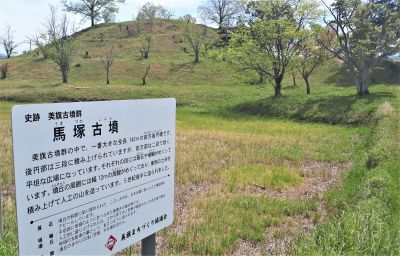
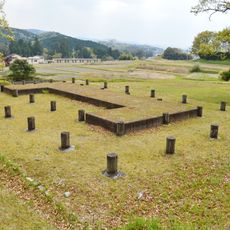
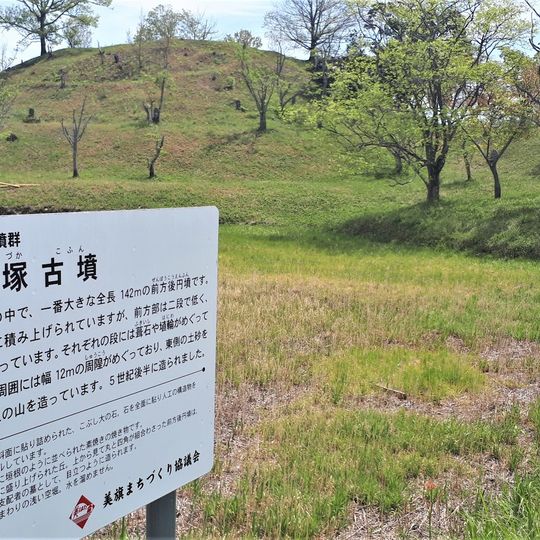
The Mihata Kofun Cluster in Nabari, Mie Prefecture, comprises seven surviving tumuli: five keyhole-shaped tombs, one round tomb with a horizontal stone chamber, and one square tomb. The largest is the 142-meter Umazuka Kofun, with a 98-meter-diameter rear mound. The tombs lie on plateaus and riverbanks in the Nabari Basin.
The oldest mound, Tonozuka Kofun, dates to the late 4th century; Kijinzuka Kofun was built around the early 6th century and Akaizuka Kofun in the late 6th century. In 1978, five keyhole-shaped tombs and Akaizuka were designated a National Historic Site. Horse fittings were excavated from Tonozuka.
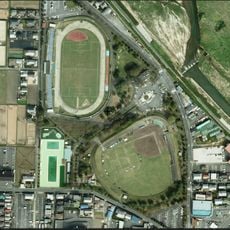
The name Mihata comes from the locality, and the cluster is the largest in the Iga region. The keyhole shape of the largest mounds, such as the 142-meter Umazuka, is visible from above, and the 1978 designation as a National Historic Site protects five keyhole tombs and the Akaizuka circular tomb. Horse fittings found at Tonozuka point to the status of the buried chieftains.
A community center at the site provides information and guidance about the mounds and the period they represent. Walking around at your own pace lets you observe the different shapes and sizes in detail.
The horizontal stone chamber is in the Akaizuka Kofun, a circular mound now 22 meters across and 8.5 meters high, probably about 30 meters originally. The chamber opens to the south and has two side arms. The mound was built in the late 6th century.
The community of curious travelers
AroundUs brings together thousands of curated places, local tips, and hidden gems, enriched daily by 93,616 contributors worldwide.