筑摩神社, Shinto shrine in Japan
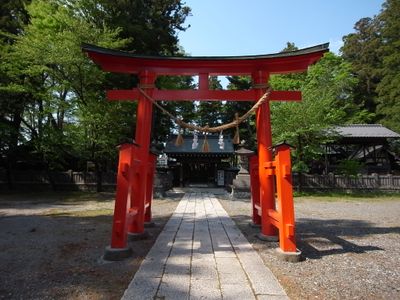
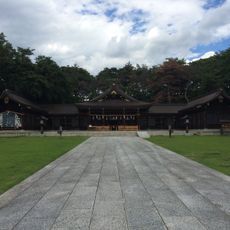
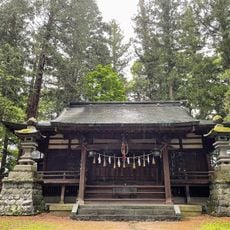
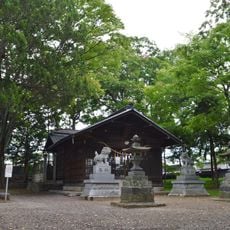
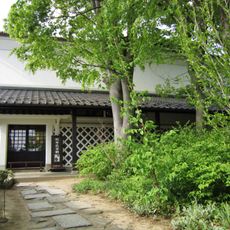
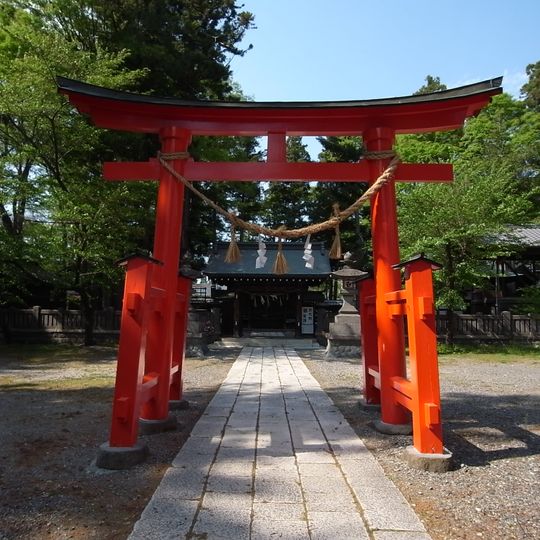
Tsukuma Shrine is a Shinto shrine in Matsumoto featuring a main hall rebuilt in 1439 during the Muromachi period, now designated as an important cultural property. The grounds contain multiple structures including a prayer hall completed in 1610 with an upturned roof style, a bronze bell cast in 1514, and several smaller shrines dedicated to different deities.
The shrine was established in 794 when followers of a sacred site called Ishiyamizu Hachiman-gu came to establish a new place of worship, originally known by the names Tsukuma Hachiman-gu or Kokufu Hachiman-gu. Over the centuries the shrine underwent multiple repairs, with major reconstruction in the 1400s and rebuilding of the prayer hall in the early 1600s by a local feudal lord.
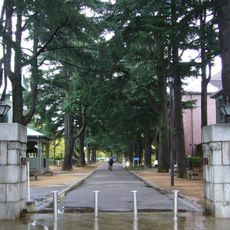
This shrine holds deep meaning for the local community, serving as a gathering place for festivals and ceremonies that connect residents to their heritage. Visitors walking through the grounds can sense how the site remains woven into the everyday life and spiritual practices of the people who live nearby.
The shrine is free to visit at any time and takes about 15 minutes to walk through, with free parking for roughly five vehicles nearby. To meet with the shrine staff or offer a prayer, advance notice is required, and the location sits roughly 20 minutes by car from Matsumoto Interchange or about 30 minutes on foot from the train station.
The bronze bell on the grounds, donated in 1514, is the oldest in the area and officially designated as an important cultural property of Matsumoto city. This rare and treasured artifact offers a glimpse into metalworking craft from the early 1500s.
The community of curious travelers
AroundUs brings together thousands of curated places, local tips, and hidden gems, enriched daily by 91,039 contributors worldwide.