Naganoken-Gokoku-jinja, Shinto shrine in Japan
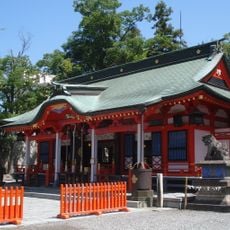
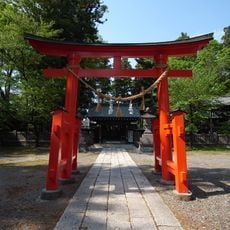
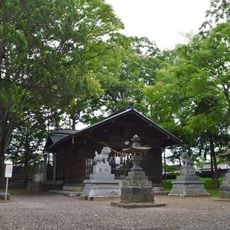
Naganoken-Gokoku-jinja is a Shinto shrine in Matsumoto featuring traditional wooden architecture, torii gates at the entrance, and a main prayer hall set on well-maintained grounds. The shrine includes a purification basin, a memorial statue, a kyudo dojo for archery practice, and belongs to a network of shrines across Japan dedicated to honoring the war dead.
In 1868, Shinto shrines for Boshin War dead were built in Matsushiro, Iwamurata and Suzaka; four more followed in Shinano. In 1934 a prefecture-wide shrine was planned, and in November 1938 the Nagano Prefecture Shrine was founded with a temporary hall. It was renamed Naganoken-Gokoku-jinja in March 1939 and designated a Gokoku shrine on 1 April 1939. The halls, office and three torii were completed in 1942.
The shrine's name was changed to Misuzu-no-miya after World War II, taken from a pillow word for Shinano Province, to avoid being seen as a militarist institution. Matsumoto's city song, adopted in 1940 with lyrics by Takano Tatsuyuki, mentions the shrine in its third verse: "the shrine that guards the country towers."
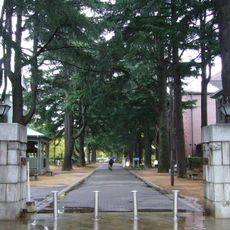
The shrine is surrounded by trees that provide shaded paths and create a restful environment, making it comfortable to visit on warm days. Visitors can participate in purification rituals, collect traditional goshuin seals on paper or bookmarks, and explore the kyudo dojo if interested in archery practice.
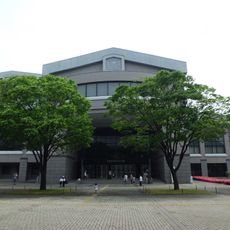
The shrine's second torii, a 7-metre wooden gate of Taiwanese cypress, was felled by Typhoon No. 21 in 2017; a crowdfunding appeal with a 3 million yen goal raised 3,232,000 yen for its rebuilding. The side torii on the east side, about 6 metres tall, collapsed in the same 2018 typhoon. The shrine stands in the Misuzu district, beside Matsumoto's cultural hall and general gymnasium.
The community of curious travelers
AroundUs brings together thousands of curated places, local tips, and hidden gems, enriched daily by 94,754 contributors worldwide.