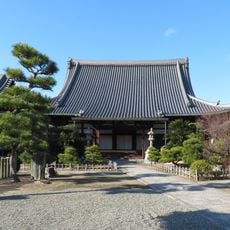
Aga-jinja, Shinto shrine in Japan
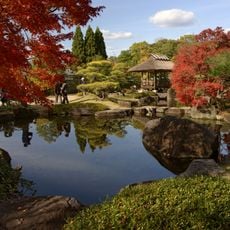
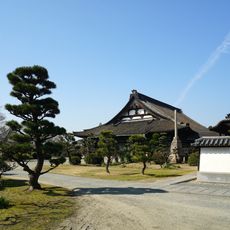
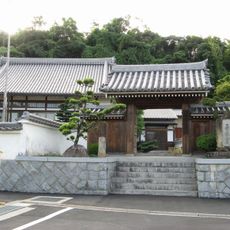
Aga-jinja is a Shinto shrine in Himeji with traditional wooden architecture and natural elements scattered across its grounds. The site houses ten deities in multiple buildings and smaller shrines, including a Nagi tree over 1000 years old on the east side of the main hall.
The shrine's origin predates the Nara period: the Harima no Kuni Fudoki records the deities Aga-hiko and Aga-hime, from whom the Aga place name derives. In 881 the Nihon Sandai Jitsuroku notes that both deities received the junior fifth rank. In 1443 Sugawara no Michizane, Emperor Ojin and Amenokoyane were jointly enshrined, and the shrine was then called Aga Tenmangu.
The shrine is woven into the rhythm of local community life. Visitors can observe people participating in the autumn festival, carrying portable shrines through the grounds and taking part in traditional rituals that connect them to their ancestors and the site's spiritual purpose.
Visitors should wash their hands at the Temizusha station before entering the shrine. The site offers both informal worship options and formal ceremonies conducted by priests, and guests can purchase charms or write wishes on wooden cards to hang on the designated racks.
Local legend says a tengu, a creature from Japanese folklore, dwells near the large Meoto Iwa rocks. Visitors often touch these stones as they are believed to symbolize binding and partnership.
The community of curious travelers
AroundUs brings together thousands of curated places, local tips, and hidden gems, enriched daily by 94,371 contributors worldwide.