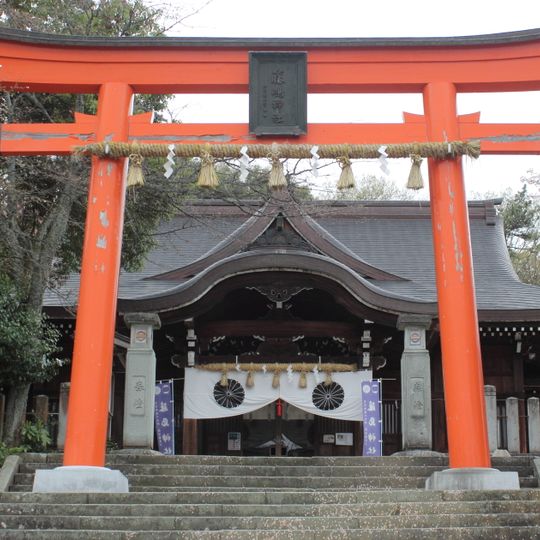
Fujishima Shrine, Shinto shrine in Fukui Prefecture, Japan
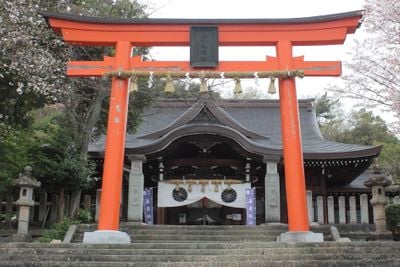
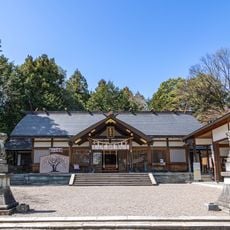
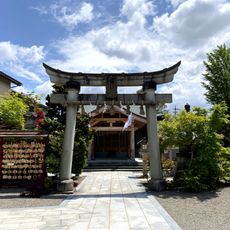
Fujishima Shrine is a Shinto shrine in Fukui built in the nagare-zukuri style, characterized by an asymmetrical roof that extends outward on one side to create a small porch. The building features a raised central sanctuary with a surrounding veranda, creating a simple yet functional design that invites visitors to approach the sacred space easily.
The shrine was established in 1870 by government official Matsudaira Mochiaki on a mound called Nitta-zuka, which commemorates an ancient battle. The building was relocated and rebuilt in 1905, and today it stands as part of a group of fifteen shrines dedicated to remembering key moments in Japan's imperial history.
Fujishima Shrine is where local people gather to honor the kami and maintain their traditions through prayer and seasonal festivals. Visitors notice simple rituals here, such as ringing a bell and bowing respectfully, which express the connection between the worshipper and the divine.
The shrine is easily accessible and welcomes quiet visits and reflection, allowing visitors enough time to explore the grounds and surrounding area. The simple design and clean pathways make navigation comfortable, with space to pause and sit in silent contemplation.
A samurai helmet found by a farmer near the site in 1660 is preserved at the shrine and designated as a national treasure. This artifact directly connects the shrine to an ancient battle and transforms it into a place where historical relics make the past tangible for visitors.
The community of curious travelers
AroundUs brings together thousands of curated places, local tips, and hidden gems, enriched daily by 92,559 contributors worldwide.