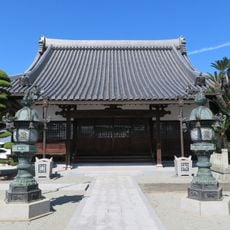
Arai-jinja, Shinto shrine in Japan
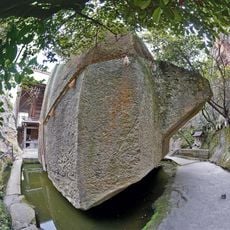
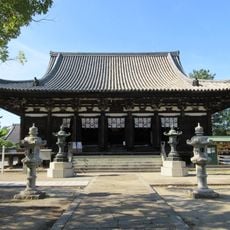
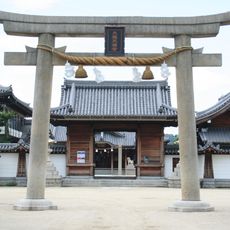
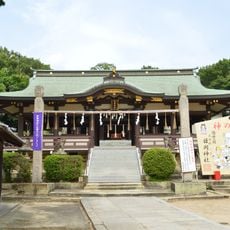
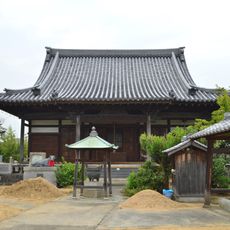
Arai-jinja is a Shinto shrine in Takasago, Hyōgo Prefecture, dedicated to Ōkuninushi (Daikoku) with Kotoshironushi (Ebisu) as a secondary deity. Its grounds contain several subsidiary shrines, including the Hama-no-jinja, Koto-no-jinja, Sai-no-jinja and the Miyo-i-jinja, the last a Takasago City-designated cultural property honouring 240 war dead from Arai-chō. The shrine is about 500 metres west of Sanyō Electric Railway Arai Station.
According to tradition, the shrine began when the deity Ōnamuchi (Daikoku) was worshipped on the Arai shore during the reign of Emperor Kinmei, in the 6th century. In 1908 the Ebisu shrine of Arai village's Emi district was merged into it. In 1951 a nursery, named Hakuto Aiku-en after the enshrined deity, was set up within the grounds.
The shrine is dedicated to the gods Ebisu and Daikoku, known as bringers of prosperity and good fortune. Visitors can see people writing their wishes on wooden plaques and hanging them on racks as an active expression of their hopes.
The shrine is about 500 m west of Sanyo Electric Railway's Arai Station, not Takasago Station. The grounds hold several subsidiary shrines, including the Misoyya Shrine, a Takasago City-designated cultural property commemorating 240 war dead from Arai-machi. The Hina-ka drum troupe performs at the autumn festival.
The shrine's Niwaka-daiko drum performance was designated a Takasago City intangible folk cultural property in 2010. Dancers perform a dance based on a story, while a float carrying a drum and props related to the tale is borne along; dancers, drummers and float bearers trade calls with the hayashi music.
The community of curious travelers
AroundUs brings together thousands of curated places, local tips, and hidden gems, enriched daily by 94,369 contributors worldwide.