Yūrinkan Museum, Private art museum in Sakyō-ku, Kyoto, Japan
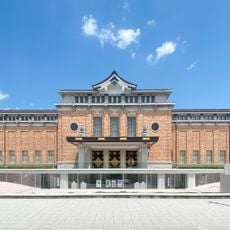
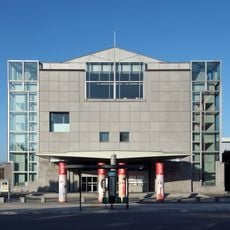
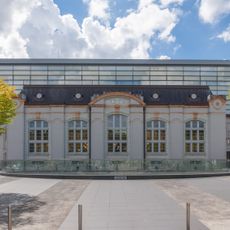
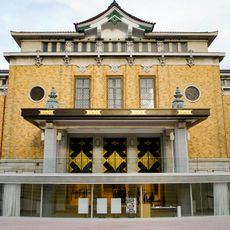
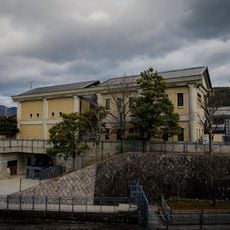
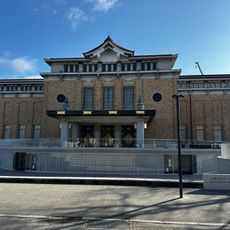
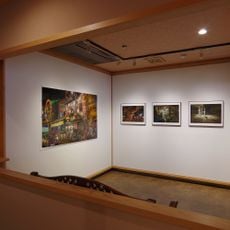
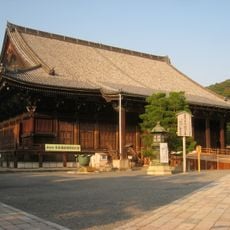
Yūrinkan Museum is a private museum in Kyoto's Sakyō-ku ward, in the Okazaki district, devoted to Chinese antiquities. Its three-story building, designed by Goichi Takeda and completed in 1926, is topped by a vermilion octagonal pavilion and holds exhibition rooms that retain their early Shōwa-period appearance.
The museum was established in 1926 as one of Japan's oldest privately founded institutions of this kind. Its creation reflects the growing interest among Japanese collectors in preserving and displaying East Asian art treasures.
The name comes from the Analects: "De bu gu, bi you lin" (virtue is not solitary, it will have neighbours), chosen to express a wish for Sino-Japanese friendship. The collection was formed with advice from sinologists Naitō Konan and Nagao Uzan, and the museum's best-known piece is Huang Tingjian's poem "Li Bai yi jiu you shi".
The museum operates on a limited schedule throughout the month, so advance planning is necessary for a visit. Check opening days beforehand and consider arriving early to ensure entry, as visitor numbers may be restricted.
The octagonal pavilion on the roof is covered with yellow glazed tiles made in the Qianlong reign for repairing the Forbidden City; the museum is said to be the only building outside the Qing imperial palaces to use them. The pavilion is painted vermilion.
The community of curious travelers
AroundUs brings together thousands of curated places, local tips, and hidden gems, enriched daily by 94,128 contributors worldwide.