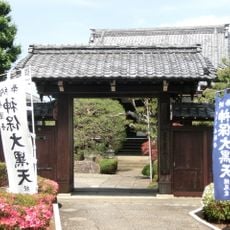
Nishitakaido Shōan Inari-jinja, Shinto shrine in Suginami-ku, Tokyo, Japan
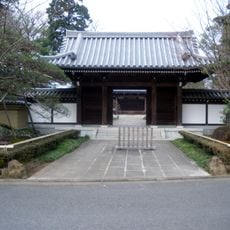
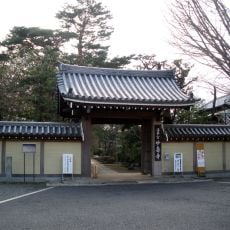
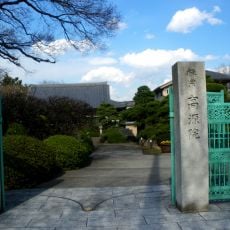
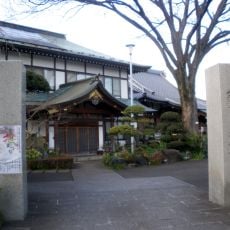
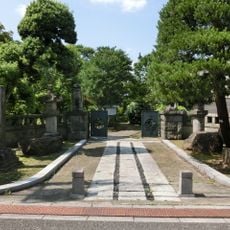
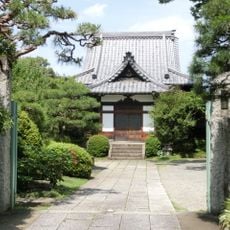
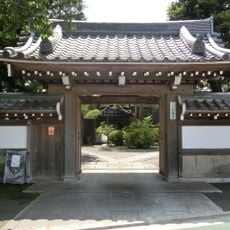
Nishitakaido Shōan Inari-jinja is a small Shinto shrine in Suginami-ku, Tokyo, marked by simple wooden structures and a red torii gate that signals entry to sacred ground. Stone lanterns, moss-covered stones, and the scent of cedar and incense fill the grounds, where visitors leave small fox figurines as offerings and bow quietly at the altar.
The founding date is unknown; the shrine is thought to have been established after Matsuan village was opened in the Manji era (1658–1660), as the village tutelary deity inside the grounds of Enkoji, a Tendai temple. Enkoji was abolished at the Meiji Restoration, and on 1 May 1934 the Inari shrine of neighbouring Naka-Takaido village was merged in, giving the present name. The hall was rebuilt in 1935.
The shrine honors Inari, a deity linked with foxes, and visitors leave small fox figurines as offerings throughout the grounds. This practice reflects how the neighborhood has kept alive the belief in foxes as messengers of the gods across generations.
Reach the shrine on foot in about 15 minutes from the south exit of Nishi-Ogikubo Station on the Chuo rapid line, or get off at the Matsuan Inari bus stop in front of it. Entry is free. The grounds are open to walk through, and the fox figurines are lined up before the small shrine just left of the torii.
The small hokora just left of the torii holds a fox mummy found under the worship hall's floor around 1897, when the Enkoji temple was abandoned and its mound removed. It lies on cotton with its forepaws in its mouth, but visitors cannot see it; they leave fox figurines in front of the shrine instead.
The community of curious travelers
AroundUs brings together thousands of curated places, local tips, and hidden gems, enriched daily by 93,485 contributors worldwide.