Toyokawa Inari Sapporo Betsuin, Buddhist temple in Kiyota-ku, Japan
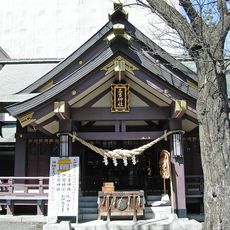
Toyokawa Inari Sapporo Betsuin is the name shared by two sites of the Soto Zen temple Gyokuho-zenji: the main hall in Kiyota-ku, built in 1984, and the ancestral hall in Chuo-ku, founded in 1898. The ancestral hall's two-storey main building is in the gongen-zukuri style, with the Toyokawa Dakini deity on the upper floor. Its gate posts were donated by the Shin-miken and Machi-miken geisha registries.
The ancestor temple opened in 1898 in Susukino, after brewer Hatano Yosaburō launched a fundraising drive in 1894 to invite a divided spirit of Toyokawa Inari; donors included restaurant, theatre, brothel and geisha-registry people. The Kiyota-ku main temple was built in 1984 for the 88th anniversary. Its grounds keep the 1976 memorial to Susukino prostitutes and unborn children.
The temple is known as the guardian deity of Susukino, the entertainment district, and its deep ties to the geisha world show in the gateposts, donated by the Shin-miken and Machi-miken geisha registry offices, whose names are carved on them. Until the early Showa era, women working in the entertainment trade could often be seen performing the hundred-circuit prayer ritual here.
The temple welcomes visitors year-round with no admission fee. Multiple transportation options from nearby stations and bus stops make it easy to reach the grounds.
The gate pillars at the Suzukino ancestral hall were donated by the geisha registry offices: the south pillar bears the name of the Shinmiken, the north that of the Machimiken. Of the four registry offices in late-Meiji Sapporo, only these names survive on the pillars.
The community of curious travelers
AroundUs brings together thousands of curated places, local tips, and hidden gems, enriched daily by 93,471 contributors worldwide.