那売佐神社, Shinto shrine in Japan
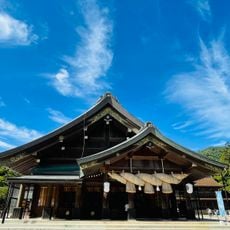
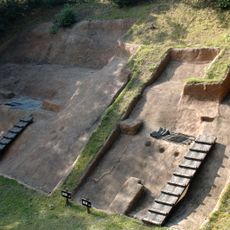
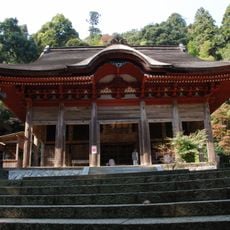
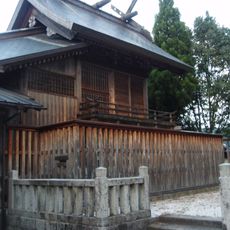
Namesa Shrine (Namēsa Jinja) stands at the foot of Mount Takakura, southeast of Lake Shinji in Higashijinzaicho, Izumo. Its worship hall is irimoya-zukuri with a tiled roof, while the main sanctuary is built in a variant of the taisha-zukuri style with a thatched roof of Tochi bark. A subsidiary shrine honours Izanagi no Mikoto, and a trail from the grounds climbs to the site of Jinzai Castle on the summit.
The Izumo Fudoki (733) lists two shrines, Namesa and Namesa, in Kando district; by the Engishiki (927) they were already combined. A 1562 ridge tag shows the shrine had moved from its old site at Iwatsubo to its present location by the late Muromachi period. In 1872 it was designated a gōsha under the modern shrine ranking system.
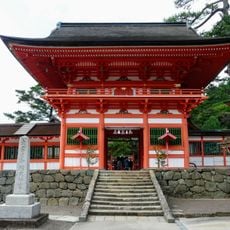
The name Namesa derives from a Fudoki story: Okuninushi, visiting Suseri-hime, called a smooth boulder "nameshi iwa", and the district took the name Namesa. The shrine was also called Iwatsubo Daimyojin, and a small Iwatsubo shrine still stands by the pothole in the Kagegawa gorge. The Kōra Hachiman Shrine, its former branch shrine, was merged into it in 1910.
The shrine stands at the foot of Mount Takakura, southeast of Lake Shinji, in Higashijinzai-chō, Izumo. A trail leaves the side of the precinct and climbs to the site of Jinzai Castle on the summit. The grounds hold the worship hall, the main hall and a subordinate shrine to Izanagi no Mikoto.
The name Namisa comes from a Fudoki story: Okuninushi, visiting Suseri-hime, saw a smooth boulder before the shrine and said "name shi iwa naru kamo" ("how smooth the rock is"), naming the district. The Iwatsubo pothole in the Kukage River gorge nearby is identified with that rock, and local tradition says Suseri-hime used its water for her first bath.
The community of curious travelers
AroundUs brings together thousands of curated places, local tips, and hidden gems, enriched daily by 94,975 contributors worldwide.