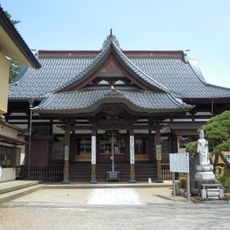
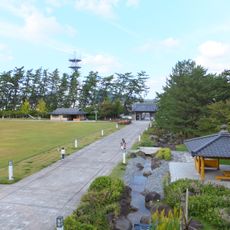
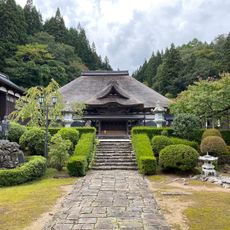
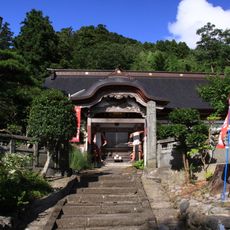
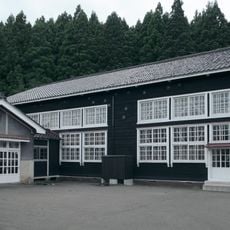
Kinpou-jinja, Shinto shrine in Japan
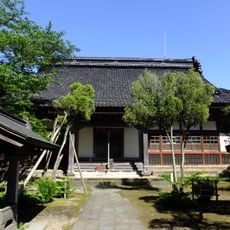
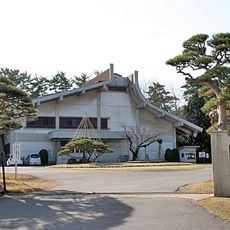
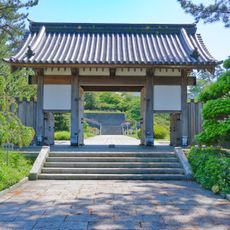
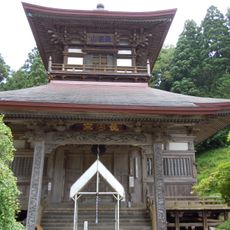
Kinpou-jinja is a Shinto shrine in the Otaki district of Kisakata, Nikaho, Akita Prefecture. Before the separation of Shinto and Buddhism it enshrined Chokai Daigongen and Zao Gongen; today its deities include Sukunabikona-no-mikoto and eight other kami. The grounds hold wooden statues designated as Akita Prefectural Tangible Cultural Properties, including a pair of wooden komainu and a standing Kannon from the late Heian period.
According to shrine tradition, En no Gyōja enshrined Zaō Gongen alongside Sukunabikona at Kotaki, and in 856 Ennin (Jikaku Daishi) installed Chōkai Daigongen and Zaō Gongen after subduing the giant Tenaga-Ashinaga of Mount Chōkai. In the Edo period the site was called Zaō-dō, a jingū-ji run by Ryūsan-ji and a centre of Chōkai shugendō. Renamed Chōkai Jinja in 1869, it took its present name in 1913 after merging Kumano Shinmei-sha.
The shrine is dedicated to Sukunabikona, a deity honored locally for health and well-being. Visitors often see wooden tablets where people write wishes and prayers for blessings in their daily lives.
Kinpou-jinja stands in Otaki, Kisakata, reachable by bus from JR Kisakata Station toward Yokooka; get off at Nasodaki. The shrine grounds are open to walkers at any time, and the approach is on foot from the bus stop.
The shrine's festival features the Choukurairo dance, performed at the annual rite and designated a national Important Intangible Folk Cultural Property in February 2004 as "Otaki no Choukurairo-mai". The shrine also keeps a pair of wooden komainu guardian dogs, a prefectural tangible cultural property since 2 April 1970.
The community of curious travelers
AroundUs brings together thousands of curated places, local tips, and hidden gems, enriched daily by 94,081 contributors worldwide.