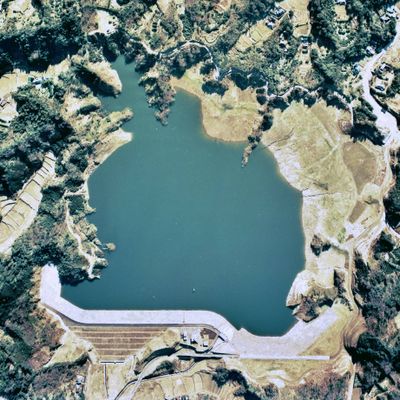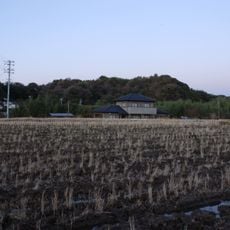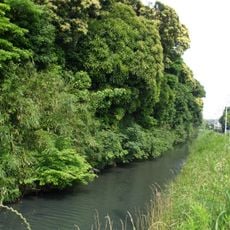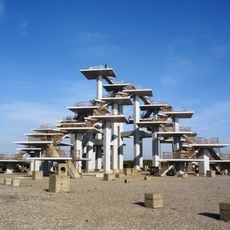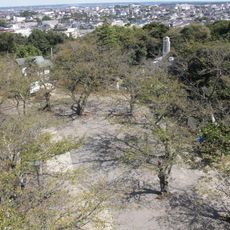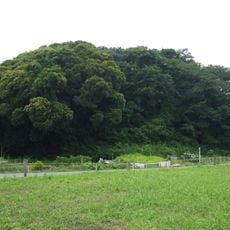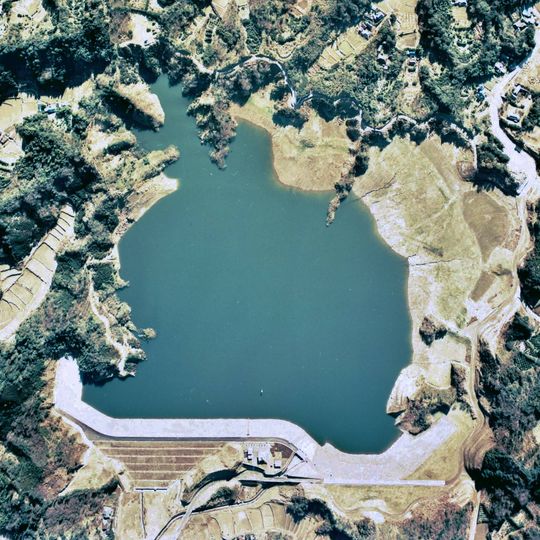
Kori Dam, Earth-fill dam in Kōri, Japan.
Kori Dam is an earth-fill dam built near Kōri in Japan that stores water for agricultural purposes across the region. The structure consists of a densely packed core made from natural materials surrounded by more permeable layers designed to control water seepage.
The dam was completed in 1972 and introduced modern water management technology to support agricultural development in the region. This installation marked a turning point in local infrastructure history and enabled more reliable water management for the surrounding farmland.
The dam plays a central role in supporting farming communities that depend on its water supply for their crops and livelihoods. Local farmers have adapted their seasonal routines around the water levels and irrigation schedules that this facility provides.
The dam is accessible by land and can be viewed from the outside, though access to internal areas may be restricted for safety reasons. Visitors should check weather conditions beforehand and dress appropriately, as the location is fully exposed to the elements.
The structure was built using soil and rock sourced from nearby areas, which lowered construction costs and relied on natural material compression. This local sourcing approach was typical of infrastructure projects from that era and reveals the practical solutions engineers used when designing the facility.
The community of curious travelers
AroundUs brings together thousands of curated places, local tips, and hidden gems, enriched daily by 60,000 contributors worldwide.