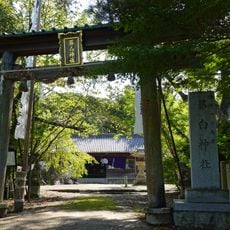
野上八幡宮, Shinto shrine in Japan
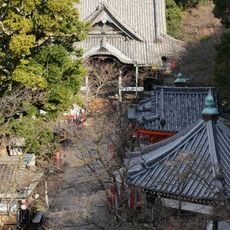
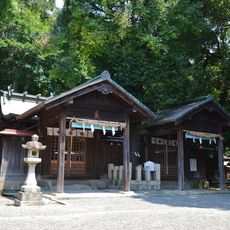
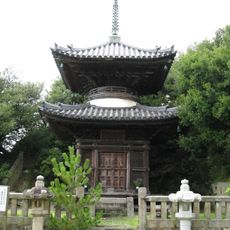
Nomigami Hachiman Shrine in Obata, Kimino, Wakayama, is a Hachiman shrine whose main hall was rebuilt in 1557 in the three-bay nagare-zukuri style. The worship hall, rebuilt in 1573, is a single-storey irimoya-roofed building. Five structures on the grounds, including the main hall, worship hall and three subsidiary shrine buildings, are Important Cultural Properties.
The shrine's origin is placed in 552, when Hachiman was invited from Yamato and the pre-existing deity Kunisatsuchi was moved to Mount Shōsen. In 987 it became a branch of Iwashimizu Hachimangū, and its hall was built in 1025. In 1541 armed monks from Negoro-ji burned the buildings and records; Honganbō Shinken led a reconstruction from 1557, and the main hall and Hiranō Imaki shrine date from that year.
The name Nomigami comes from the old Nomigami estate, whose whole territory formed the shrine's parish after 1871. The Gion festival, held for a week from the third Sunday of July, is the example festival of the subsidiary Susa Shrine. The lion dance of Nomigami Hachiman, kept by a preservation society, is a Kimino town intangible folk cultural property. The ema hall was originally a stage, its floor removed in the mid-Edo period after gagaku music died out.
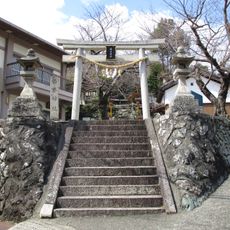
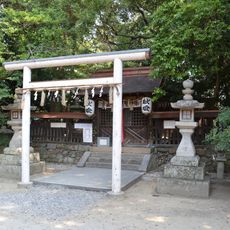
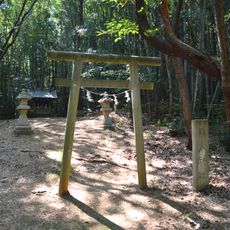
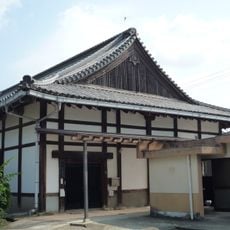
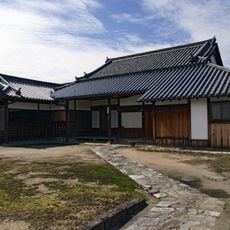
The shrine stands in the Kobata district of Kimino, reached by the Oju bus at the Nomigami Hachimangu stop, right by the grounds. The precinct holds the main hall, worship hall, dance hall and the ema hall, with the subordinate shrines Takeuchi, Hirano Imaki and Kora Tamatare close together. The ema hall, a former stage, keeps its removed floor from the mid-Edo period.
Inside the hall you can see simple carvings and shapes on the wood that come from an older style of shrine construction focused on functional beauty rather than decoration. These details give the place a sense of natural simplicity that stands apart from newer buildings.
The community of curious travelers
AroundUs brings together thousands of curated places, local tips, and hidden gems, enriched daily by 94,441 contributors worldwide.