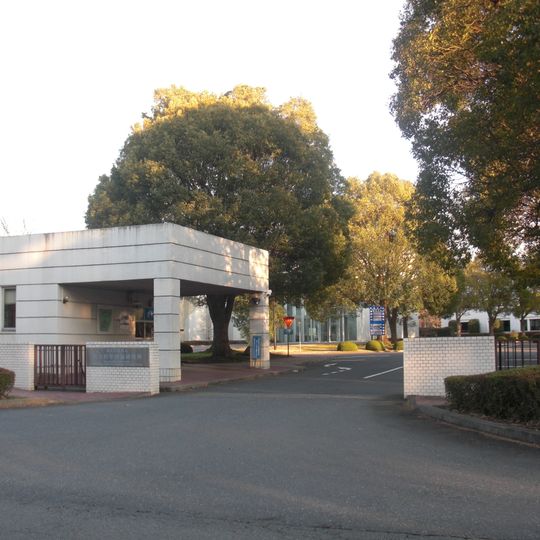
National Research Institute for Earth Science and Disaster Resilience, research institute in Japan
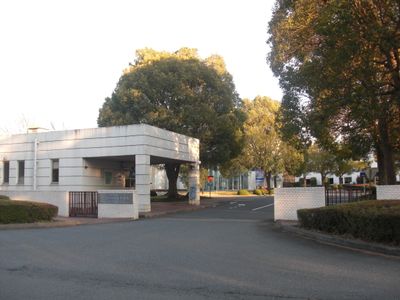
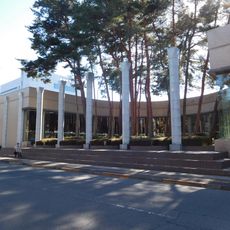
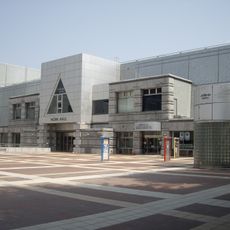
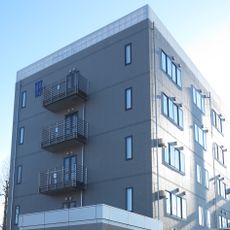
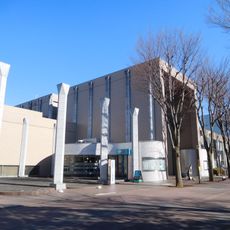
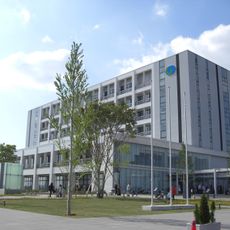
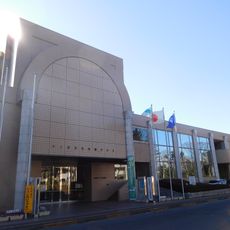
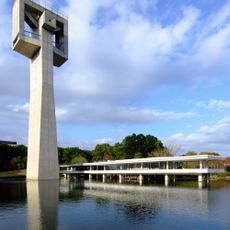
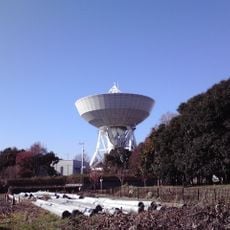
The National Research Institute for Earth Science and Disaster Resilience is a research facility in Tsukuba that studies earthquakes, tsunamis, snow, and weather-related hazards. It operates monitoring networks like K-NET and Hi-net across Japan and maintains a full-scale earthquake testing facility in Miki where engineers examine how structures perform during seismic events.
The institute was founded in 1963 as the National Research Center for Disaster Prevention and relocated from Tokyo to Tsukuba in the late 1970s. Over the decades it expanded its scope beyond earthquakes to include tsunamis, snow research, volcanic monitoring, and undersea seismic activity through networks like DONET.
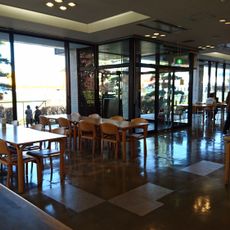
The institute's name reflects Japan's commitment to understanding natural risks and building community safety. Visitors can observe how research centers operate as practical spaces where scientists work daily to help people prepare for and respond to natural events.
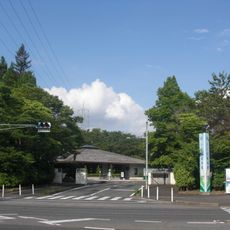
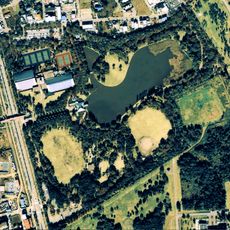
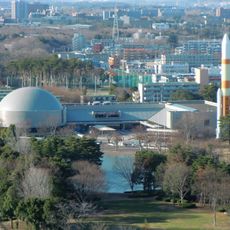
The institute is located in central Tsukuba with good access from the city's transport systems and surrounded by parks and other research facilities. Visitors should contact the institute in advance to arrange tours or visits, as the complex is primarily operational research space focused on scientific work rather than public exhibition.
The institute operates a massive earthquake testing facility in Miki where engineers examine full-scale buildings during simulated seismic events to understand real structural behavior. This testing ground is among the few of its kind globally and provides crucial data on how different designs and materials perform under extreme seismic stress.
The community of curious travelers
AroundUs brings together thousands of curated places, local tips, and hidden gems, enriched daily by 90,868 contributors worldwide.