法雲寺, Buddhist temple in Tsuchiura, Japan
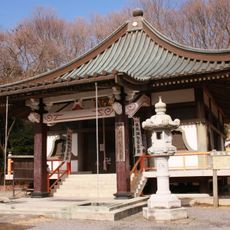
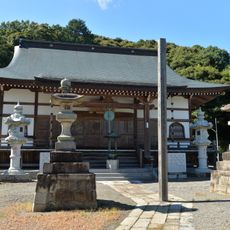
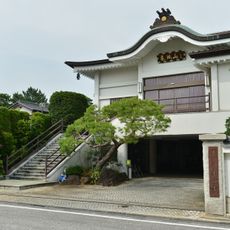
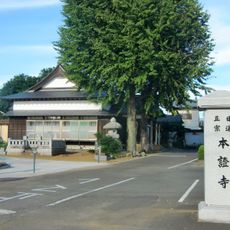
Hongyun-ji is a Buddhist temple in Tsuchiura featuring traditional wooden structures with carved walls and a central prayer hall, surrounded by garden spaces connected by stone pathways.
Founded in 1335, when Ashikaga Takauji ordered Oda Haruhisa, seventh lord of Oda Castle and shugo of Hitachi, to invite the monk Fukuan Sōko. First a hermitage called Yōfu-an, then Shōju-an, it took the name Hōun-ji in 1354. Fukuan had studied 13 years in Yuan China under Zhongfeng Mingben. Patronised by the Oda clan, it grew to more than 300 branch temples before burning in 1573; it was revived in the Edo period and became an imperial prayer temple in 1689.
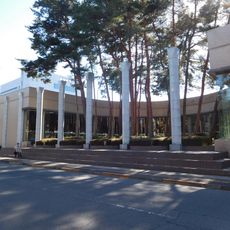
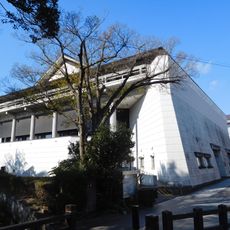
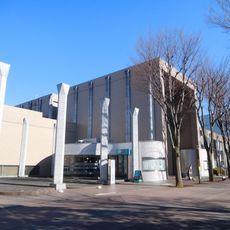
The temple's name derives from its 1354 designation, when the草庵 formerly called Yōfu-an and Shōju-an was renamed Hōun-ji. It belongs to the Rinzai Kenchō-ji school and is linked to the Oda clan; its treasures, including portraits of Oda Masaharu and Oda Ujiharu, are deposited at the Tsuchiura City Museum next to Kijō Park.
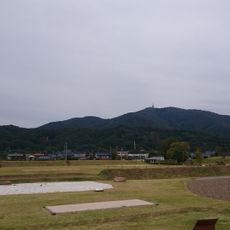
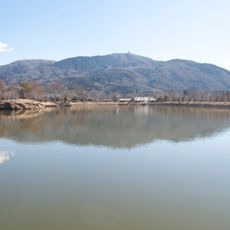
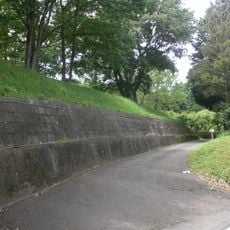
The temple stands in the Tsuchiura area at the foot of a hill, and its castle-style precinct is laid out with earthen walls, gates and stone steps rather than a flat garden path. Many of its paintings and documents are kept at the Tsuchiura City Museum next to Kijo Park, so plan a separate stop there to see the temple's chief treasures.
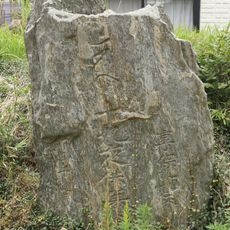
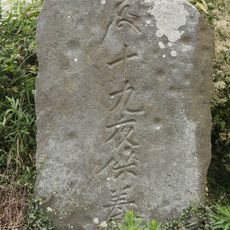
Most of Hōun-ji's treasures are not kept on site: they are deposited at the Tsuchiura City Museum next to Kijō Park, including the national Important Cultural Properties — the portraits of Gaofeng and Fuan, with a portrait of Zhongfeng attached. In the grounds remain the graves of Zhongfeng and Fuan and the five-ring towers and hōkyōintō linked to the Oda clan, all city-designated cultural properties.
The community of curious travelers
AroundUs brings together thousands of curated places, local tips, and hidden gems, enriched daily by 94,315 contributors worldwide.