Suka-jinja, Shinto shrine in Suginami-ku, Tokyo, Japan
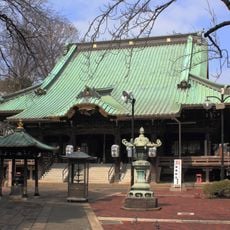
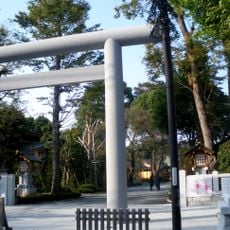
Suka-jinja is a Shinto shrine in Narita-Higashi, Suginami-ku, whose hall was newly built in 1958, when the former worship hall was converted into a kagura hall. Within its grounds stand two subordinate shrines, Mitake Jinja and Inari Jinja, and next to the grounds is the Narimune Goshiki Benzaiten hall.
According to tradition, the shrine was founded in 941 by Taira no Kimimasa, governor of Awa, after the Jōhei-Tengyō disturbances, and rebuilt in 1599. Records burned in the Ansei era, so these dates are unconfirmed, but the shrine certainly existed by the early modern period. In the Edo period it was called Gozu Tennō-sha, and its bettō-ji was Hōshō-ji.
The shrine serves as a gathering place where neighbors celebrate together with traditional performances and festivals. These events connect the community and help people maintain a sense of shared tradition and continuity.
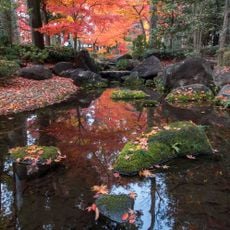
The location is surrounded by low buildings and trees, making it suitable for a quiet walk at any time. Visitors can stop by during early mornings or late evenings to enjoy peaceful moments away from busy urban areas.
The shrine's name comes from Suga-jinja (Suga Shrine) in Izumo, and its former betto-ji was Hosho-ji. Within the grounds stand two subordinate shrines, Ontake-jinja and Inari-jinja, and next door, outside the precinct, is the Narimune Goshiki Benzaiten-do. Records burned in the Ansei era, so the 941 founding and 1599 rebuilding remain traditions rather than confirmed facts.
The community of curious travelers
AroundUs brings together thousands of curated places, local tips, and hidden gems, enriched daily by 93,504 contributors worldwide.