Ryozen, Mountain summit in Ōita, Japan
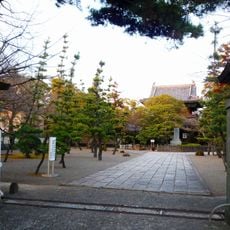
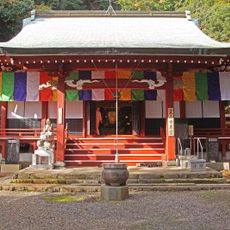
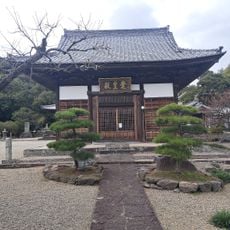
Ryozen is a 610-meter mountain in southern Ōita City, Ōita Prefecture, on Kyushu. Its upper slopes hold a 2.8-hectare evergreen broadleaf forest designated an Ōita Prefecture Natural Environment Conservation Area in 1979. On the mountainside stands the Tendai temple Hiraizan Ryozenji, the eighth stop on the Kyushu Saigoku pilgrimage.
The mountain was long called Taneda-yama. In 708 a local clan head found an Eleven-Faced Kannon image in the mountainside after a dream and enshrined it in a thatched hall. The Chinese monk Naga later built a temple there, naming it Hiraizan Ryozen-ji because the peak resembled India's Vulture Peak; the mountain took the name Ryozen from the temple.
The mountain's name comes from Furaisan Ryozen-ji, a Tendai temple on the slope and the eighth stop on the Kyushu Saigoku pilgrimage. The temple was founded in 708 after a local clan leader found an eleven-headed Kannon statue in the mountains, and it was named after the Indian mountain Vulture Peak because the shape resembled it. The mountain was previously called Taneda-yama. The temple is counted among the three great temples of Bungo, along with Entsu-ji on Mount Rokuju and Jinkaku-ji on Mount Jinkaku.
The mountain can be visited at any time of year, but spring and autumn bring the most agreeable conditions for hiking. Sturdy footwear is a good idea, as the trails become uneven and sometimes slippery at higher elevations.
Ryozen's summit view of Ōita's urban area placed second in the city's 2006 "My 100 Ōita Views" survey. The mountain also lends its name to the school songs of four local schools: Tajiri, Kanda, Higashiwada elementary schools and Ōita Technical High School.
The community of curious travelers
AroundUs brings together thousands of curated places, local tips, and hidden gems, enriched daily by 93,473 contributors worldwide.