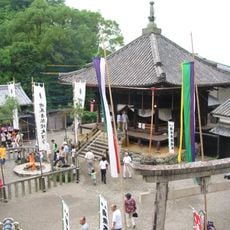
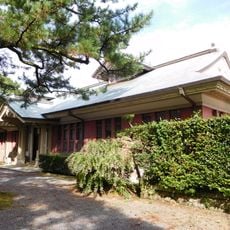
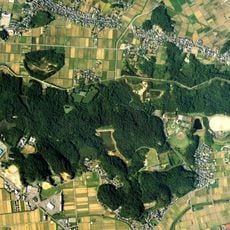
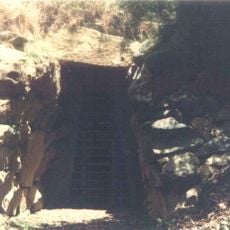
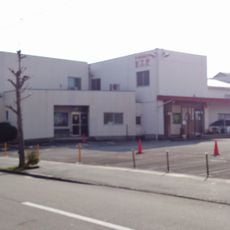
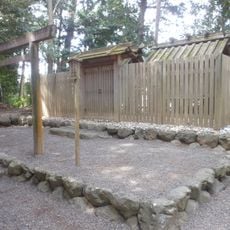
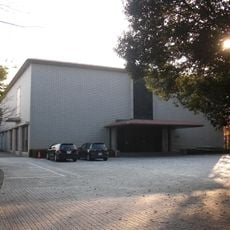
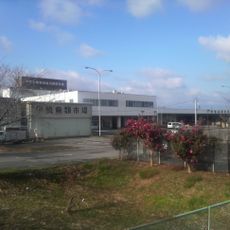
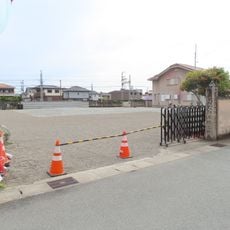
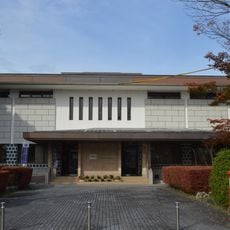
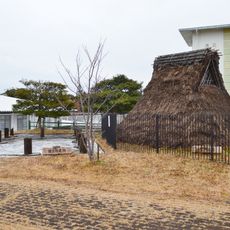
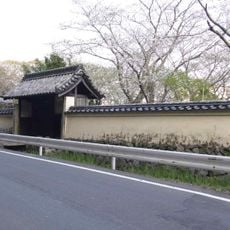
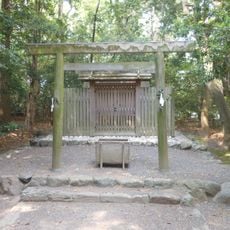
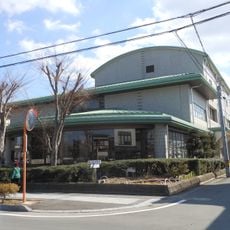
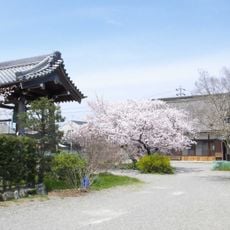
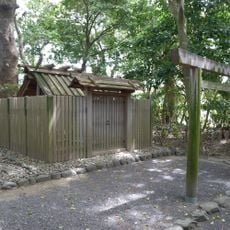
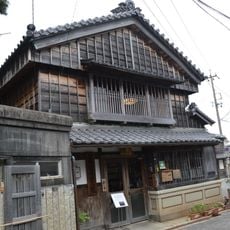
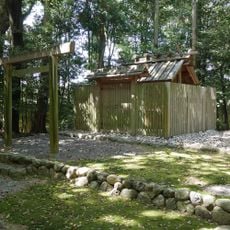
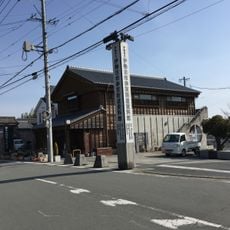
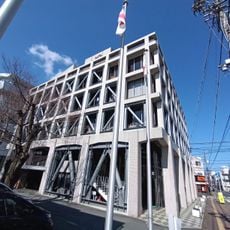
Rikyū-in, Ruins of a detached palace of Ise Grand Shrine in Obata, Ise, Japan
The Rikyū-in is an archaeological site in the Obata neighborhood of Ise, Mie Prefecture, now kept as Rikyuin Park. Its compound once measured about 900 meters east-to-west and 400 meters north-to-south, holding the Saiō's lodging, quarters for imperial messengers and shrine officials, stables, and kitchens for sacred offerings. Earthwork traces of the site's doi embankment survived into the railway era.
The Rikyū-in was built in 798 after flooding destroyed the earlier complex in what is now the Miyajiri neighbourhood of Ise. The Saiō lived here for 15 years, from 824 to 839, when the site also housed a government office complex of more than 500 people within a compound 900 metres east-west by 400 metres north-south. It burned down in 839; the Saiō returned to the Saikū and never came back. Arson destroyed it again in 1102, and it was largely ruins by the Kamakura period.
The name Rikyū-in refers to a detached palace of Ise Grand Shrine where the Saiō, an unmarried imperial princess serving as shrine priestess, stayed three times a year for the Tsukinamisai and Kannamesai festivals. The site is now Rikyuin Park, and the adjacent Kangū Shrine, a shrine listed in the Engishiki, guards the former official buildings and owns the ruins.
The site is now Rikyuin Park, a short walk from Miyagawa Station on the JR Sangu Line; the railway cut through much of the former compound. Look for the earthwork traces of the old doi embankments that survived the construction. The adjacent Kangyōsha Shrine, a shrine listed in the Engishiki, owns the ruins.
The site is now Rikyuin Park, but the railway cut through most of the ruins: Miyagawa Station on the JR Sangū Line was built over the compound, and only traces of the earthwork doi embankment survived into the modern era. The adjacent Kansha Shrine, a shrine listed in the Engishiki, owns the site.
The community of curious travelers
AroundUs brings together thousands of curated places, local tips, and hidden gems, enriched daily by 93,520 contributors worldwide.