Ekoda-sengen-jinja, Shinto shrine in Japan
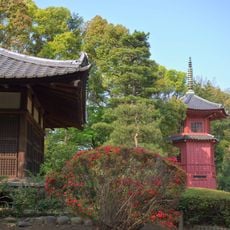
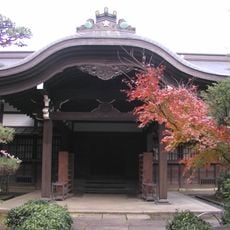
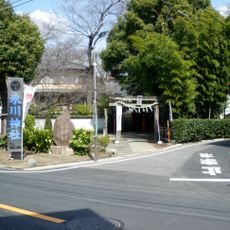
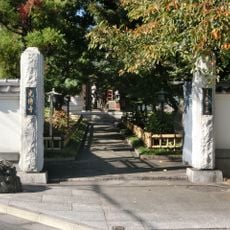
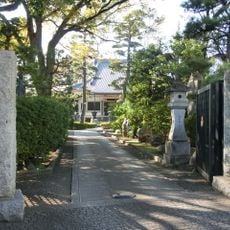
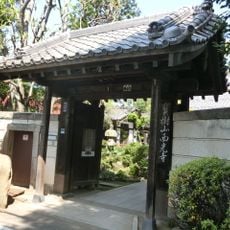
Ekoda-sengen-jinja is a small Shinto shrine in Kotakechō, Nerima, featuring simple wooden structures and traditional curved roofs. The grounds include well-maintained gravel paths, small trees, stone lanterns, and a main hall where visitors pray and leave offerings.
According to shrine tradition the founding dates to 931, though historians regard the date as unknown. The Edo-period Musashi Fudoki-zakki records it as Fuji Sengen-sha, with Nōman-ji in Asahigaoka as its bettō-ji. Legend tells that when Kotakechō and Ekoda-chō residents disputed ownership, snow fell in summer, and the two sides ended the quarrel by sharing the shrine as their ujigami.
The shrine is dedicated to Konohanasakuyahime, the deity of Mount Fuji in Japanese mythology, not a water or fertility goddess. It is also called Kayahara Sengen Jinja, after a poem on a stone monument in the grounds: 'In this Musashino moorland without end, only Fuji is seen among the mountains.' A legend tells that when Kotakechō and Ekoda-chō fought over ownership, snow fell in summer, and the two sides stopped and shared the shrine.
The shrine is about a minute on foot from Ekoda Station on the Seibu Ikebukuro Line. The Fujizuka behind the worship hall can be climbed on 1 July for the mountain opening, during the first three days of the New Year, and on the second Saturday and Sunday of September, when the shrine's annual festival is held. Admission is free.
The Fujizuka behind the hall is 8 metres high and about 30 metres across, covered with lava from Mount Fuji and built in 1839 by the Kotake Maru Harae-kō. It is a nationally designated Important Tangible Folk Cultural Property (1979), with statues of tengu and monkeys and stone monuments on its slopes.
The community of curious travelers
AroundUs brings together thousands of curated places, local tips, and hidden gems, enriched daily by 94,232 contributors worldwide.