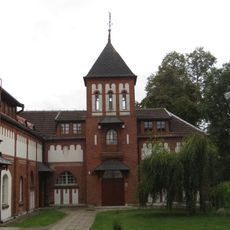
Królowy Most, Rural settlement in Gmina Gródek, Poland.
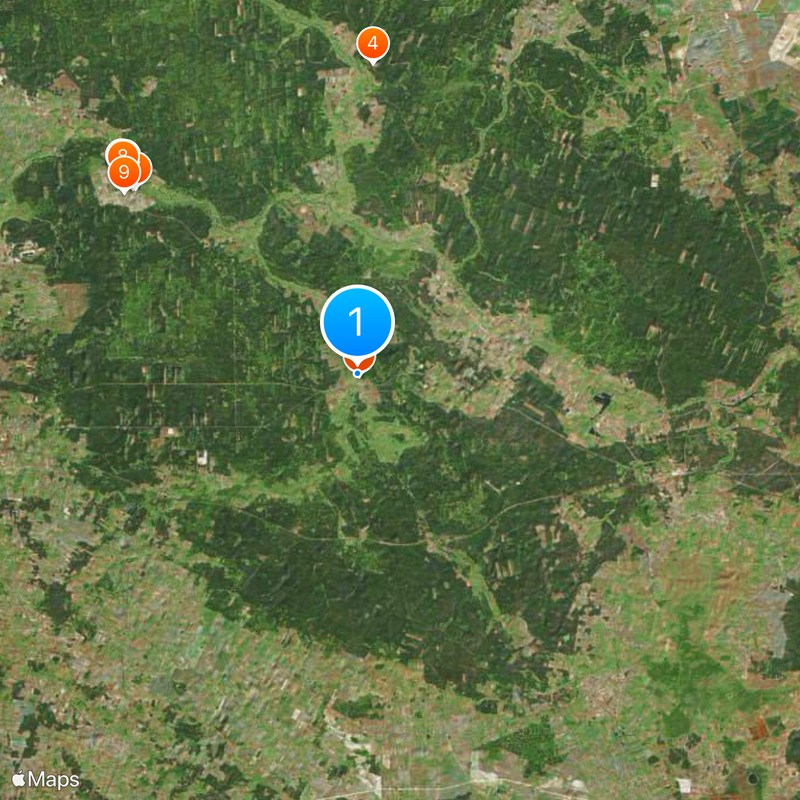
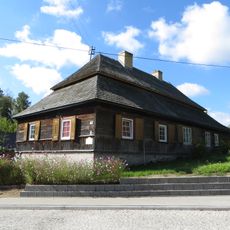
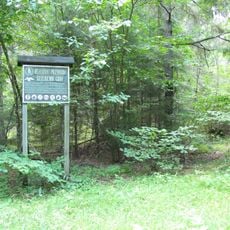
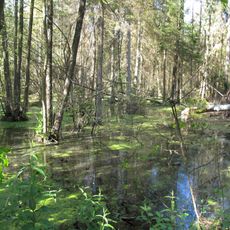
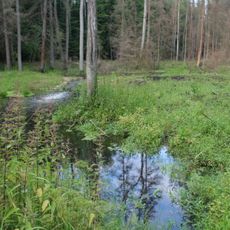
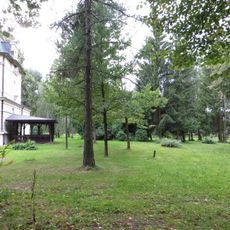
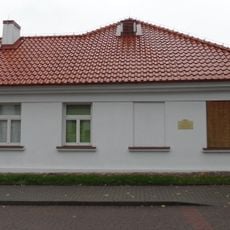
Králowy Most is a rural settlement in the eastern border region near Belarus, surrounded by forests with the Ploski River running through it. The village consists of scattered houses typical of Polish countryside communities.
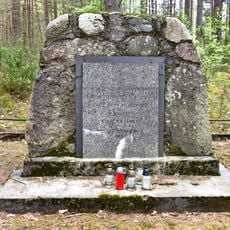
The settlement was founded in 1674 and later became connected to World War II history when a German military officer died here following a failed assassination attempt against Hitler. This event marked a turning point in local memory.
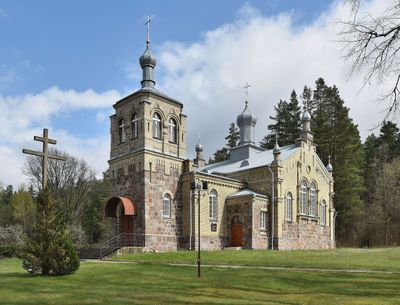
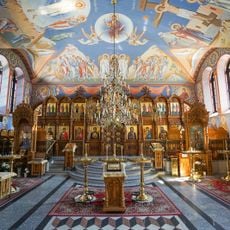
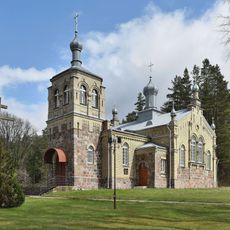
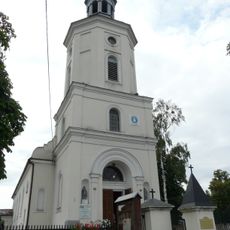
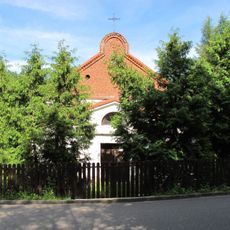
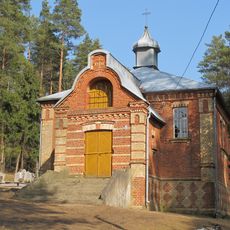
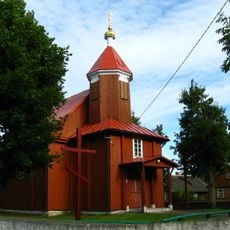
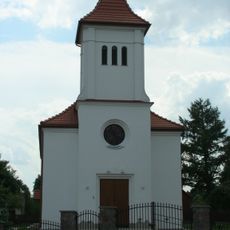
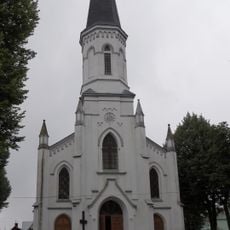
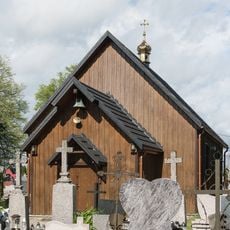
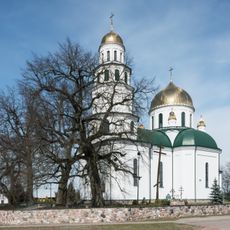
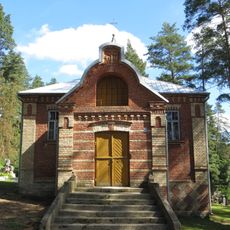
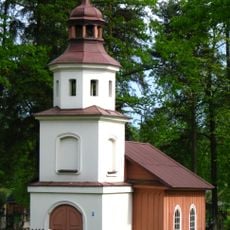
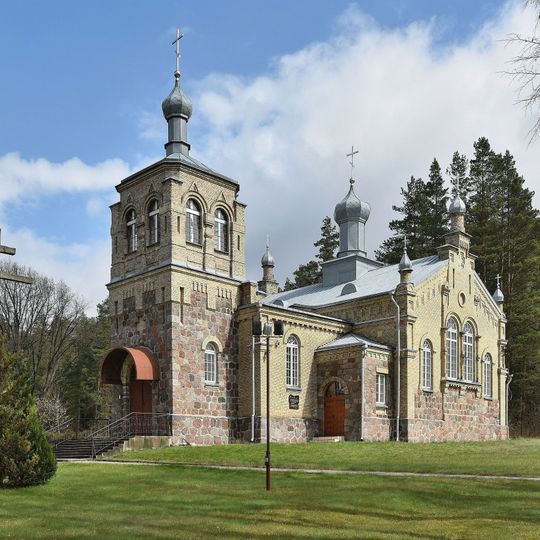
The Roman Catholic chapel dedicated to St. Anna stands alongside an Orthodox church with Byzantine architecture, reflecting the religious mix that has shaped village life. Both structures are still present in the settlement today.
The settlement is very small with few permanent residents, so visitors should be prepared to be self-sufficient for supplies and meals. The remote location means planning ahead is important since shops and services are minimal.
The village's name comes from a bridge that local legend attributes to King Sigismund Augustus, who supposedly had it built overnight during his travels. This story connects the small settlement to one of Poland's most powerful historic rulers.
The community of curious travelers
AroundUs brings together thousands of curated places, local tips, and hidden gems, enriched daily by 92,379 contributors worldwide.