Tomb of Samuel, Holy place and archaeological site in Nabi Samwil, Palestine
The Tomb of Samuel stands on a hill at 908 m above sea level in the Palestinian village of Nabi Samwil. The complex is a 14th-century Mamluk mosque with a minaret, built over Crusader vaults; below it, a burial chamber reached by stone stairs serves as a synagogue with separate men's and women's prayer areas.
In the 6th century, Byzantine Christians built a monastery at this location, dedicating it to the prophet. During the 12th century, Crusaders transformed the site into a fortress and used it as a military stronghold.
Each year on 28 and 29 Iyar, the days held to be Samuel's death anniversary, crowds of Jews gather at the site; a 15th-century account by Meshullam of Volterra describes the same pilgrimage. Karaite Jews composed a special supplication for the tomb. The Mamluk mosque above and the synagogue in the vault below are both in use.
The underground chamber is accessible via a stairway, while the upper prayer areas have separate entrances. Visitors should be prepared for uneven steps and limited lighting in the lower section of the complex.
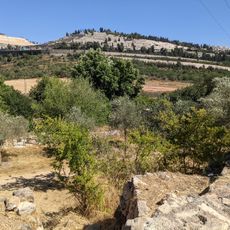
Excavations between 1992 and 2003 uncovered remains of settlements from the 8th and 7th centuries BCE on the southeastern slope of the hill. The findings show that people inhabited this location already during the Iron Age.
The community of curious travelers
AroundUs brings together thousands of curated places, local tips, and hidden gems, enriched daily by 93,124 contributors worldwide.