Sebastia, municipality in Nablus, West Bank, Palestine
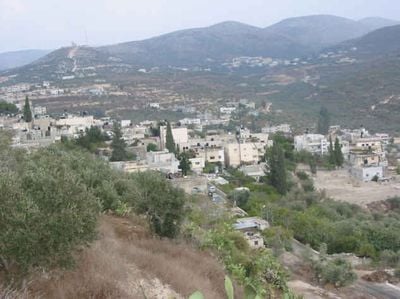
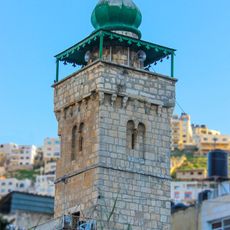
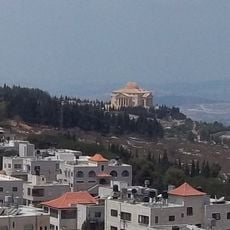
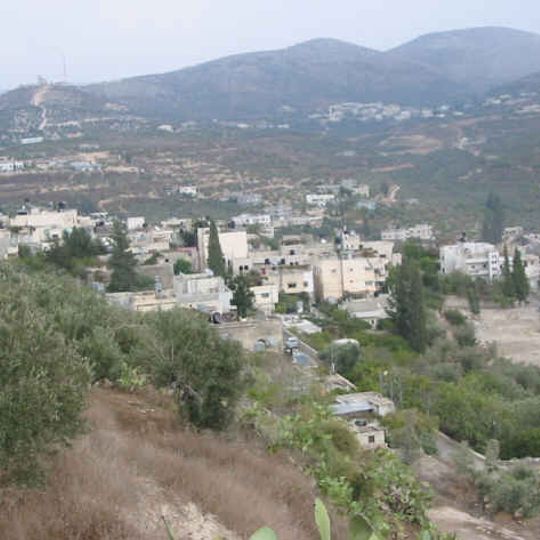
Sebastia is a settlement on a hilltop in Nablus Governorate in the West Bank. The place sits about 450 meters above sea level and is surrounded by green fields and olive groves, managed by around 3,200 residents.
The place was originally the ancient city of Samaria, capital of the northern Kingdom of Israel, before it was destroyed around 720 BCE by the Neo-Assyrian Empire. King Herod the Great later rebuilt the city and renamed it Sebastia in honor of Roman Emperor Augustus.
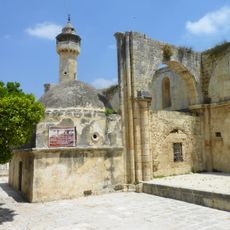
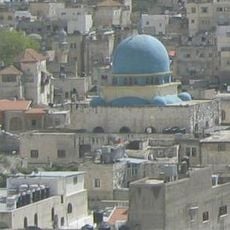
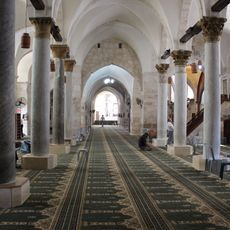
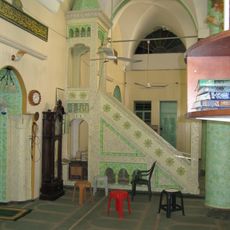
The name Sebastia comes from Latin and means venerable or respected. Muslim and Christian visitors come here to see the Nabi Yahya Mosque, built at a site where, according to tradition, an important religious teacher is buried.
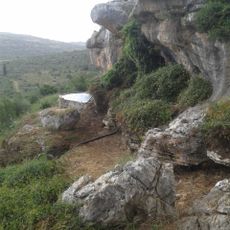
The place is about 12 kilometers northwest of Nablus and is best explored on foot, especially to see the archaeological remains on the hilltop. It is advisable to wear sturdy shoes and bring plenty of water, as the paths are uneven and there is little shade.
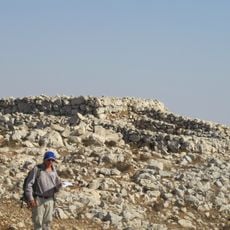
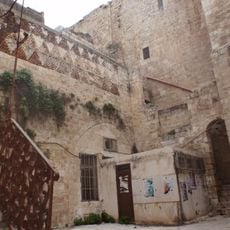
Stone structures, columns, and walls from the Roman period are visible here, including remains of an ancient theater, showing how advanced the city was during that era. These ruins give visitors direct insight into daily life from over 2,000 years ago.
The community of curious travelers
AroundUs brings together thousands of curated places, local tips, and hidden gems, enriched daily by 60,000 contributors worldwide.