Nabi Yahya Mosque, 12th-century mosque in Sebastia, Palestine
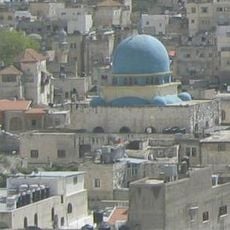
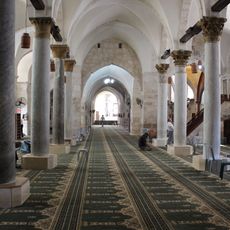
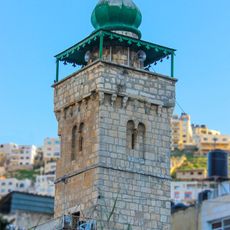
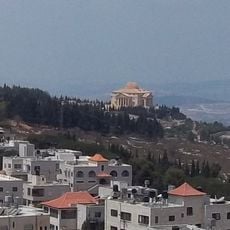
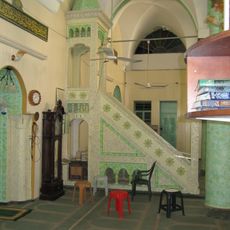
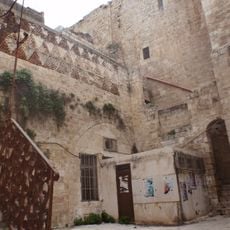
Nabi Yahya Mosque is a place of worship featuring thick buttressed walls, a single dome, and a minaret that stands prominently above the townscape. The interior leads through a staircase down to a crypt containing several burial chambers that hold venerated remains.
A Byzantine church stood over the tomb of John the Baptist before the Crusaders built a three-aisled cathedral on the site in 1160. Baldwin is recorded as the first Latin bishop of Samaria in 1129. A Muslim chronicler mentioned a mosque at the tomb by 1225, which spared the cathedral from destruction; the last two bays before the choir were converted into the mosque in 1892.
Muslims call John the Baptist Yahya, while Christians and Jews of the area call him Yuhanna, and both communities venerate his tomb here. Local tradition also names Sebastia as the place of his imprisonment and beheading, a claim the first-century historian Josephus contradicts, placing the execution at Machaerus across the Jordan.
The crypt lies at the end of a fifteen-step staircase, followed by a landing and two more steps down. The chamber is small and lit only through three narrow openings in its wall, so allow time for your eyes to adjust. The Crusader walls stand up to 10 feet thick on the west side.
A Muslim chronicler already recorded a mosque at John's tomb by 1225, which is why the Crusader cathedral survived the conquest of Samaria instead of being destroyed. The crypt holds three parallel arched loculi, and visitors see them only by passing a light through three small openings in the chamber wall.
The community of curious travelers
AroundUs brings together thousands of curated places, local tips, and hidden gems, enriched daily by 94,299 contributors worldwide.