Hanbali Mosque, Ottoman mosque in central Nablus, Palestine
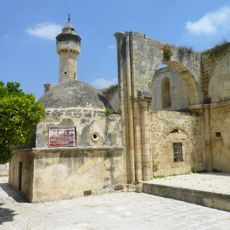
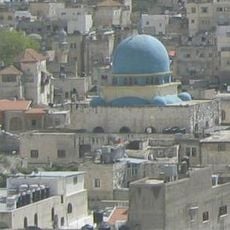
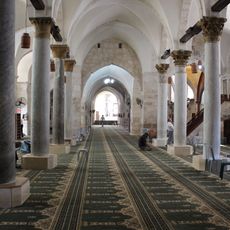
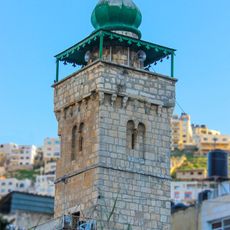
The Hanbali Mosque is a place of worship in Nablus featuring thick stone pillars topped with carved capitals that reflect Ottoman building traditions. The structure has a slender minaret and remains maintained by a local family who oversee the daily religious life and upkeep of the building.
This place of worship was founded in the 1520s by a local family and incorporates ancient stone columns salvaged from Byzantine or Roman structures. This reuse of earlier materials shows how builders of that era drew upon the physical past when constructing their own buildings.
The mosque keeps a wooden box holding three hairs attributed to Muhammad, brought from Istanbul during the 1911 renovation ordered by Sultan Mehmed V Reşad, as recorded in an inscription above the minbar. The box is shown to worshippers on the 27th of Ramadan, when people come to seek blessings. The building was long known as the Western Mosque before the Hanbali name prevailed in the 17th century.
The building welcomes visitors during regular prayer times and outside of them, though modest dress is respectful when visiting. The entrance sits near the old town, where you can walk around and explore the surrounding streets on foot.
The wooden box holds three hairs attributed to Prophet Muhammad, brought from Istanbul during the 1911 renovation ordered by Sultan Mehmed V Reşad, as recorded in the inscription above the minbar. It is kept in a dedicated cupboard and shown only on the 27th of Ramadan.
The community of curious travelers
AroundUs brings together thousands of curated places, local tips, and hidden gems, enriched daily by 93,673 contributors worldwide.