Tell Balata, Bronze Age archaeological site in Nablus, West Bank
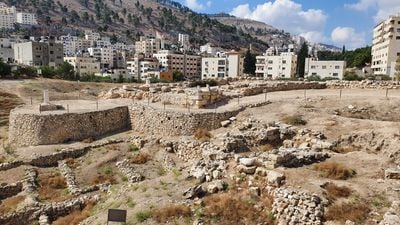
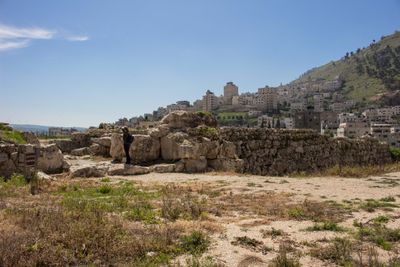
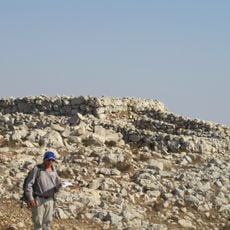
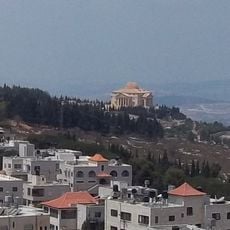
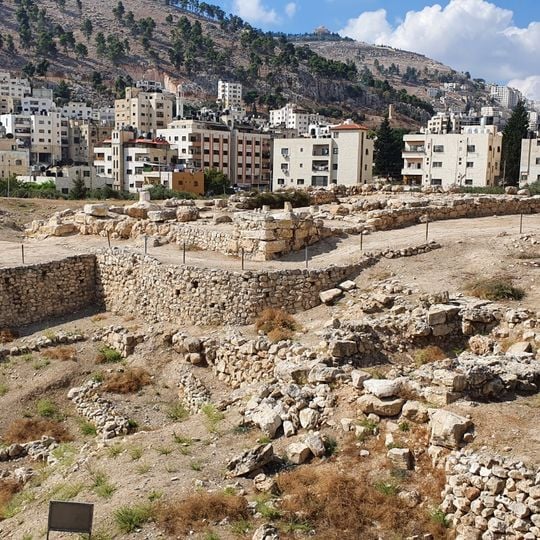
Tell Balata is an archaeological site located on a hill between two mountains in the West Bank, containing remains of ancient city walls and temple structures from multiple periods. The hillside reveals different settlement layers that archaeologists have carefully excavated over time.
The first scientific excavation took place in 1913 and revealed settlement layers spanning from the third millennium BC to the Hellenistic period. A notable gap in habitation exists between the Late Bronze Age and the early Iron Age, showing when the site was abandoned.
The site displays remains of temples and residential structures from ancient Canaanite times, showing how people lived and organized their community here. Visitors can observe the layout of buildings and understand the daily life of those who inhabited this place long ago.
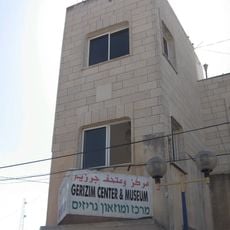
The site is accessible to visitors with walking paths following the ancient city walls and informational signs that explain the archaeological finds. A museum nearby displays artifacts recovered from the excavations.
The small quadrangular altar found here resembles incense altars from Tel Arad and Tel Dan. Excavations also brought up an electrum coin struck under Macedonian Greek rule around 500 BC, among the oldest coins found in Palestine. German archaeologists' records from the 1920s and 1930s were destroyed in the 1943 bombing of Berlin.
The community of curious travelers
AroundUs brings together thousands of curated places, local tips, and hidden gems, enriched daily by 93,116 contributors worldwide.