Qumran, Archaeological site in Kalya, Palestine
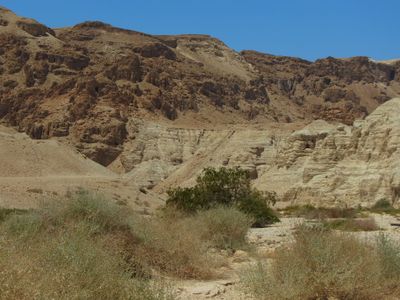
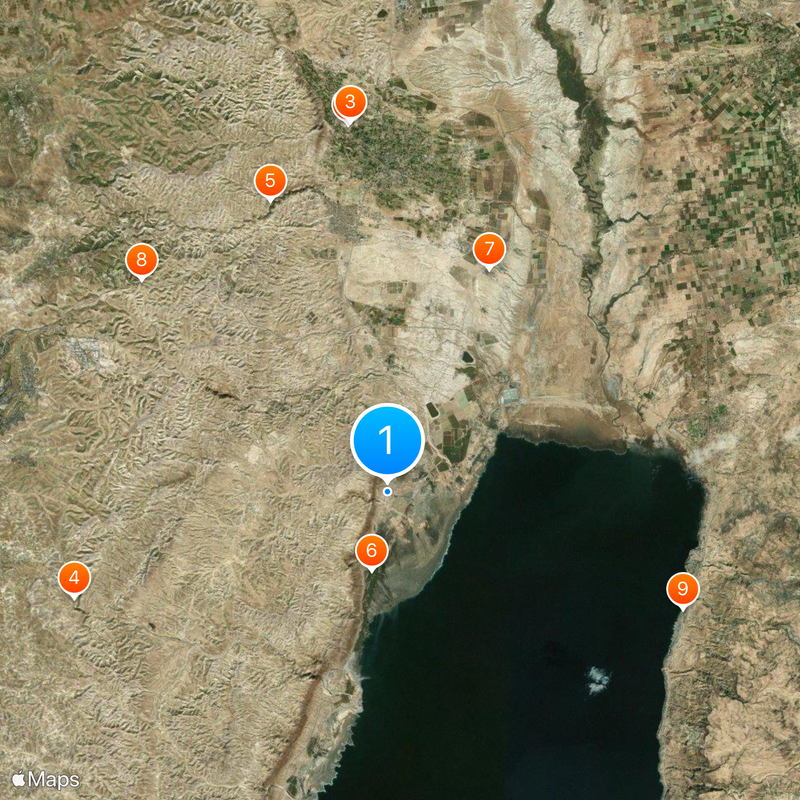
Qumran is an excavated ancient settlement on the northwestern shore of the Dead Sea in al-Ubeidiya, Palestine. The ruins include communal buildings, water systems, ritual baths, and a cemetery with over one thousand graves spread across the dry terrain.
The settlement was founded in 104 BCE and remained inhabited until its destruction by Roman troops under Titus in 68 to 69 CE. This destruction occurred during the First Jewish-Roman War and ended the activity of the community at this location.
Scrolls found in eleven surrounding caves represent some of the oldest known biblical manuscripts in existence. Visitors today see replicas of these texts and can spot the caves above the settlement where the original scrolls remained hidden for centuries.
The park offers marked paths through the excavations and educational panels explaining the layout of the settlement. Entry requires a fee, and because of the heat, early morning or late afternoon visits are recommended with plenty of water.
Archaeologists found multiple inkwells and writing implements in a dedicated room, suggesting manuscript production took place here. This workshop shows how residents copied and preserved texts before hiding them in the caves.
The community of curious travelers
AroundUs brings together thousands of curated places, local tips, and hidden gems, enriched daily by 60,000 contributors worldwide.