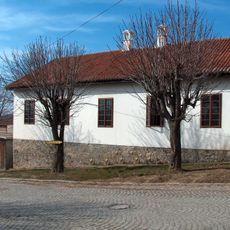
Risovača Cave, Prehistoric show cave in Aranđelovac, Serbia.
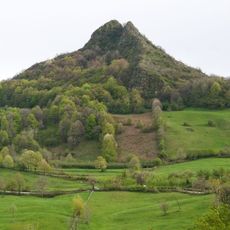
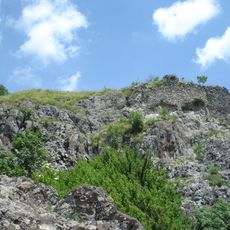
Risovača Cave opens about 17 m above the Kubršnica valley on the northeast side of Risovača hill (273 m). Its entrance hall runs 22 m west before turning southeast, and the explored cave depth is about 187 m, with halls coated in minerals of various shapes and colours. The cave formed during the Cretaceous from warm mineral waters, which deposited marble onyx on the floor and aragonite crystals on the ceiling.
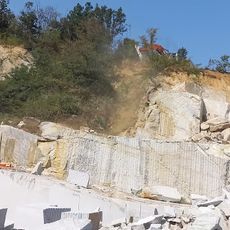
Locals knew the cave before 1937/1938, when a quarry opened and only two narrow entrances led into the underground chamber. Excavations began in 1953 under Branko Gavela, revealing flint tools, hearths and fossils of about 20 mammals. Neanderthals occupied it roughly 35,000 to 50,000 years ago, and in 1983 it was declared a cultural property of great importance.
The main hall features a sculptural recreation of a Neanderthal family engaged in daily activities around a hearth, showing how people lived in these caves. This display helps visitors understand the rhythms and routines of prehistoric life.
The cave is easy to walk through on prepared paths, with lighting making rock formations and mineral deposits clearly visible. Visitors should allow enough time to explore both the lit passages and the educational displays without rushing.
Excavations uncovered fossils of about 20 Ice Age species, including cave bears, lions, mammoths, leopards, hyenas, and woolly rhinoceroses. These discoveries reveal the cave served as a refuge for prehistoric megafauna, not just human inhabitants.
The community of curious travelers
AroundUs brings together thousands of curated places, local tips, and hidden gems, enriched daily by 93,478 contributors worldwide.