Angara, Major river system in Siberia, Russia
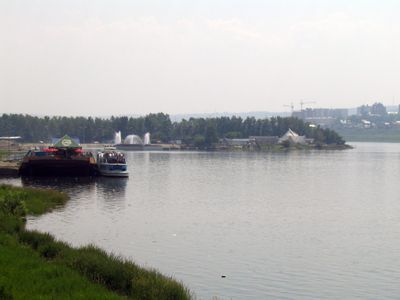
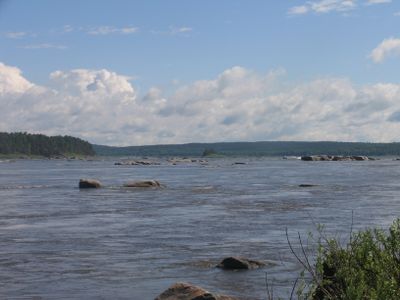
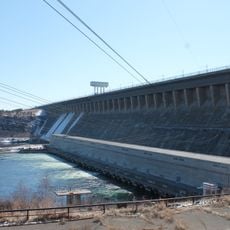
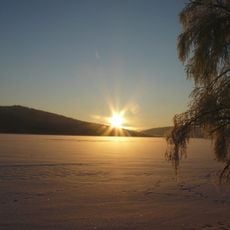
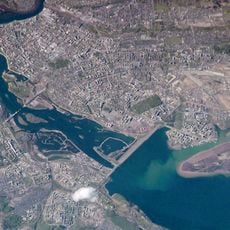
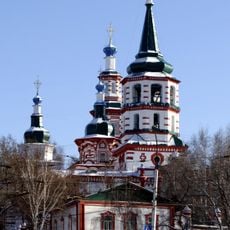
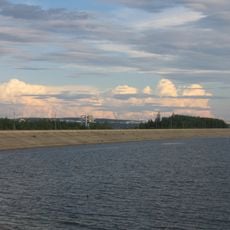
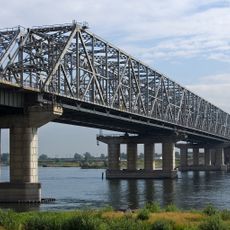
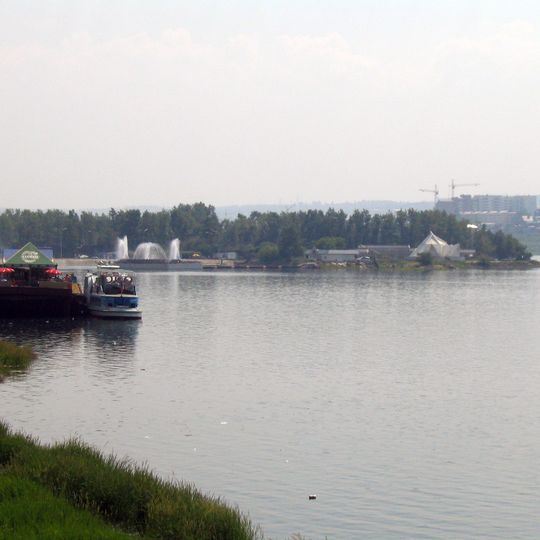
The Angara is a river in Siberia that flows for 1,849 kilometers (1,149 miles) from Lake Baikal through Irkutsk and Krasnoyarsk regions until it joins the Yenisei River. Four large dams create reservoirs along its course, shaping much of the Siberian landscape through which it passes.
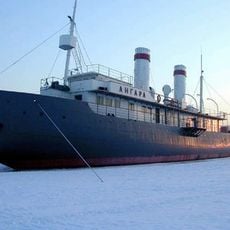
Russian settlers used the river as a main transport route from 1630 onwards during the colonization of Siberia, founding settlements along its banks. The construction of hydroelectric power stations in the 20th century fundamentally changed the course and led to the relocation of entire villages.
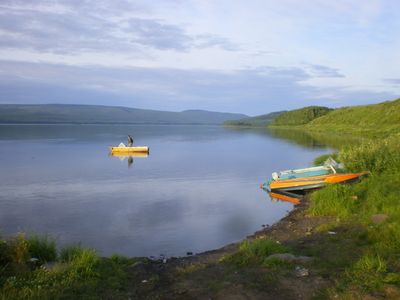
The name comes from the Buryat language and means "opening" or "cleft," referring to the outlet from Lake Baikal. Fishing villages along the river still follow traditional patterns, with many residents heading to the banks during summer months to catch local fish species.
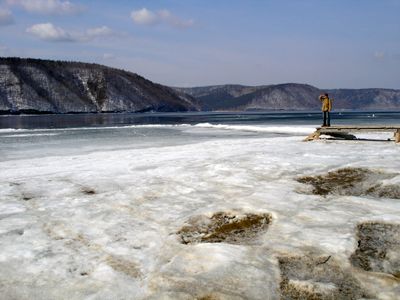
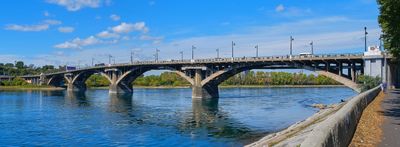
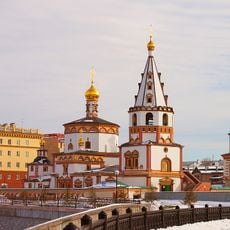
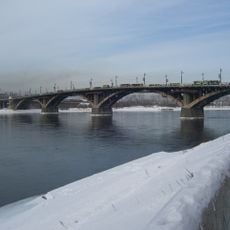
The banks are accessible in many places, especially near cities like Irkutsk where walking paths run along the water. In winter the river freezes partially, so some sections are fully reachable only during summer months.
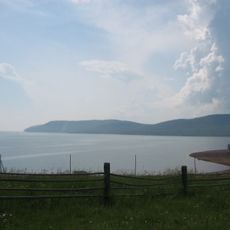
The river serves as the sole outlet of Lake Baikal and carries roughly 60 cubic kilometers of water annually toward the Yenisei. Despite its length, no ships can travel directly from the lake through the entire course because dams block passage between sections.
The community of curious travelers
AroundUs brings together thousands of curated places, local tips, and hidden gems, enriched daily by 92,098 contributors worldwide.