Lake Onega, Lake in northwestern Russia
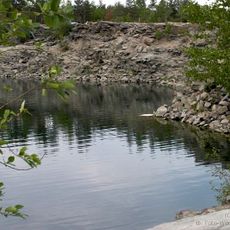
Lake Onega is a body of water in northwestern Russia spanning Karelia and Leningrad Oblast. More than sixteen hundred islands lie scattered across its surface forming a maze of forested shores and open water.
The basin formed roughly twelve thousand years ago from melting glaciers at the end of the last Ice Age. Later canals linked the water to the Baltic Sea and White Sea for trade and transport.
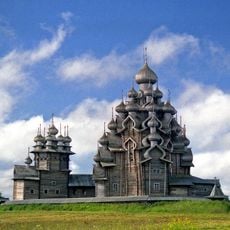
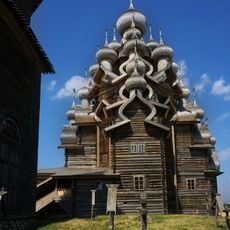
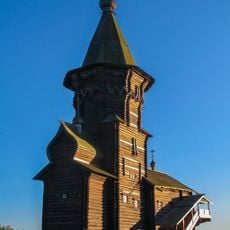
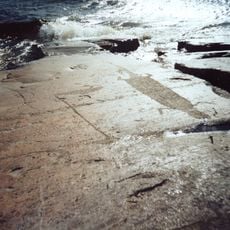
The name Onega may derive from the Finnish ääni, "sound" or "voice", giving the Veps Änine, "little voice"; other readings trace it to Sami words for sand and lowland. On Kizhi island stand 89 Orthodox churches and wooden structures of the 15th–20th centuries, including the Kizhi Pogost, a UNESCO World Heritage Site. The lake's shores also hold about 1,200 petroglyphs carved in the 4th–2nd millennia BC.
The water is warmer near the shore in summer and stays cooler in the open areas. Northern bays freeze earlier than the wider southern sections in winter.
Along the shores more than twelve hundred rock carvings from prehistoric times survive. These petroglyphs show animals, boats and human figures engraved directly at the water's edge.
The community of curious travelers
AroundUs brings together thousands of curated places, local tips, and hidden gems, enriched daily by 94,561 contributors worldwide.