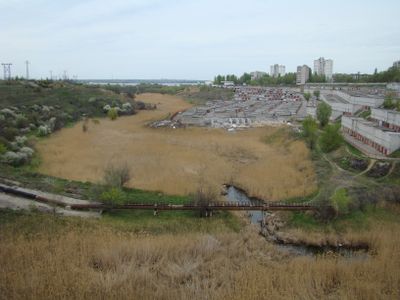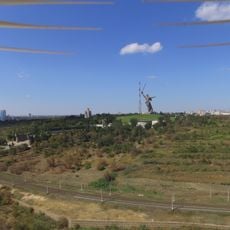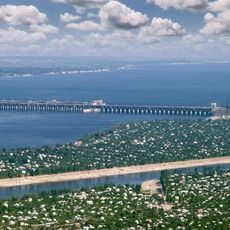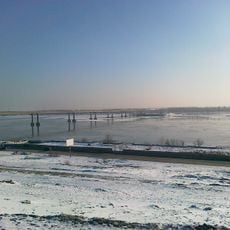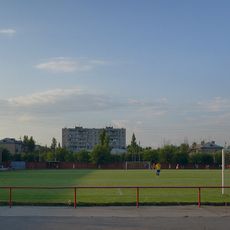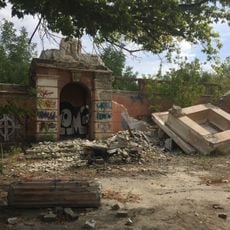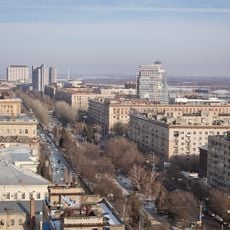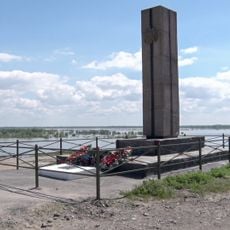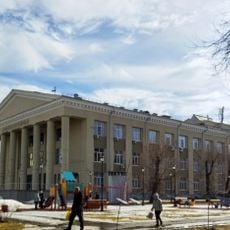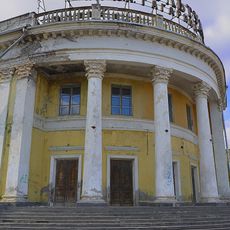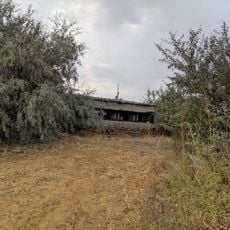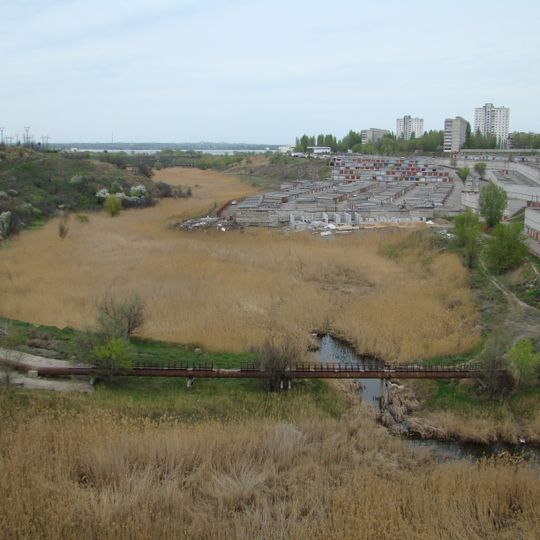
Sukhaya Mechetka, Paleolithic archaeological site in Volgograd, Russia.
Sukhaya Mechetka is a Paleolithic site on the right bank of the Volga River in Volgograd, Russia, where prehistoric remains from different periods of human history have been uncovered. Five ancient dwellings were found here, along with thousands of stone tools and worked materials that give a picture of how people lived in this region long ago.
The site was first occupied during the Middle Paleolithic and holds traces from the Last Interglacial, a warm period between two ice ages. Over time, people returned here repeatedly, leaving behind layers of tools and bones that archaeologists have been studying since the 20th century.
The name of the site comes from a nearby mosque, hinting at the long layers of human presence in this area. Visitors who come during active excavation seasons can watch archaeologists uncover and record stone tools directly from the ground.
The site lies in the Vodstroy district, about 7 kilometers from central Volgograd, and is protected as a federal cultural heritage site in Russia. Access is not always open to the public, so it is worth checking in advance before making the trip.
The people who lived here tens of thousands of years ago reused stone cores as tools when raw materials ran short, rather than discarding them. This shows that careful management of resources is not a modern habit but something humans have practiced for a very long time.
The community of curious travelers
AroundUs brings together thousands of curated places, local tips, and hidden gems, enriched daily by 92,424 contributors worldwide.