Bekaryukovsky bor, Protected natural reserve in Belgorod Oblast, Russia
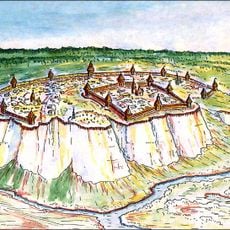
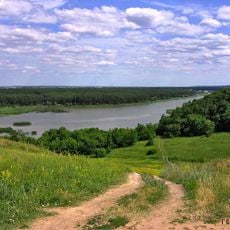
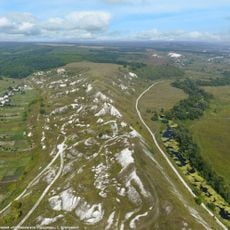
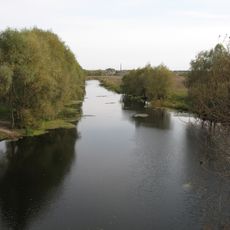
Bekaryukovsky bor is a 66-hectare zakaznik on the right bank of the Nezhegol River, created in 1995. Its chalk slopes, inclined at 42 degrees and rising 70–100 m above the valley, carry a relict stand of chalk pine (Pinus sylvestris var. cretacea) growing on bare or sparsely grassy chalk. The pines average 22 m in height with trunks 30–75 cm in diameter, and many are over 200 years old.
The tract was already known in botanical literature by 1819, when professor I. O. Kalenichenko found the shrub wolf's-bane (Daphne sophia) here, a species otherwise occurring only in Altai pine forests. From 1869 to 1902 the scientist Köppen observed the pines on chalk. In 1903 academician V. N. Sukachev surveyed the site, and in 1965 botanists led by M. I. Kotov found the Daphne sophia gone. The zakaznik was created in 1995 with an area of 66 ha.
The reserve takes its name from the Bekaryuk family, who owned the estate here before the revolution; the village was then called Bekaryukovka. The landowner Bekaryuk guarded the pines and went into the forest with his family to hunt and admire them. In Soviet times the bor hosted mass district events.
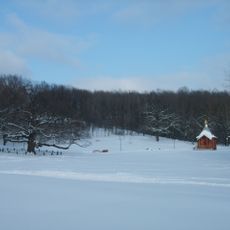
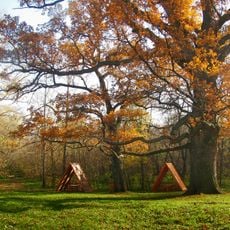
The reserve is accessible to visitors wishing to explore woodland trails, with the best visiting season during warmer months. Proper footwear and preparation for changing weather conditions are advisable for a comfortable visit.
The pine here grows directly on bare chalk at a slope of 42 degrees, 70–100 m above the Nezhegol valley; trees average 22 m tall with trunks 30–75 cm across, and some are over 200 years old. About 100 ha of these chalk-pine stands are classed as genetic reserves.
The community of curious travelers
AroundUs brings together thousands of curated places, local tips, and hidden gems, enriched daily by 93,789 contributors worldwide.