Kars Museum, Archaeological and ethnographic museum in Kars, Turkey
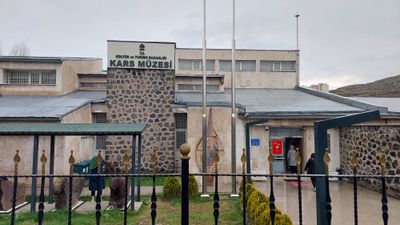
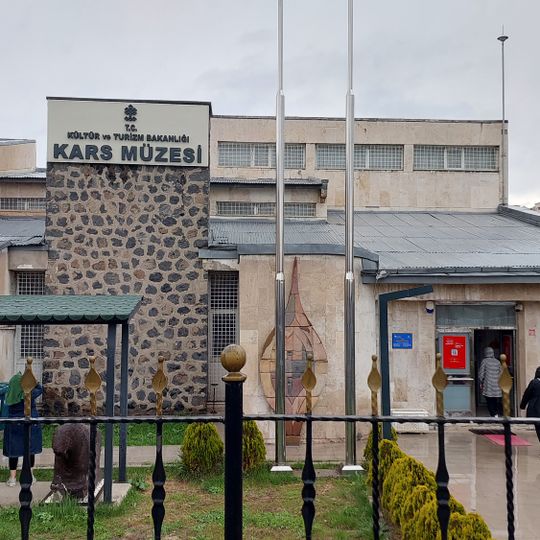
Kars Museum is an archaeological and ethnographic facility in Kars with two main exhibition halls displaying artifacts from different time periods. The exhibits include Bronze Age objects, ancient coins, pottery, metal items, and findings from multiple civilizations that lived in this region.
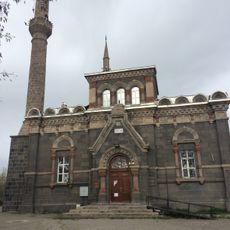
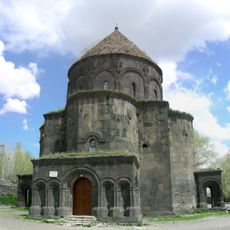
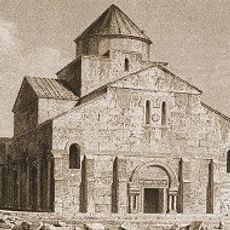
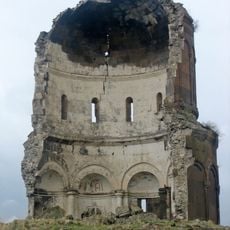
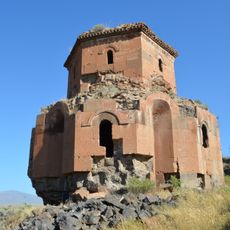
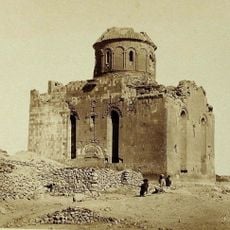
The museum was established in 1959 in the Cathedral of Kars, later called Kümbet Mosque, and moved to its present building in 1981 near the road to Ani. This relocation allowed for better display and preservation of the collections.
The ethnography section displays objects from the daily lives of regional communities, including personal belongings and traditional crafts that reveal how people lived here. These items show the habits and skills of people who inhabited this part of Anatolia.
The museum has parking spaces and restrooms, with reduced admission available for students, making it accessible for different visitors. The two exhibition halls are well organized and easy to navigate, so you can spend as much time as you wish exploring the displays.
One of the most striking exhibits is a roughly 40-kilogram ankle bone from a Tyrannosaurus that was discovered during regional excavations. This paleontological find is rare to see and often draws considerable attention from visitors.
The community of curious travelers
AroundUs brings together thousands of curated places, local tips, and hidden gems, enriched daily by 90,780 contributors worldwide.