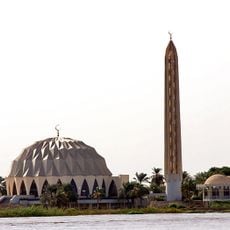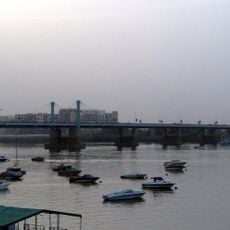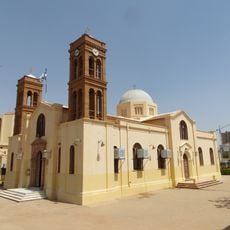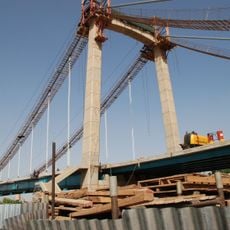
Anglo-Egyptian occupation of Sudan, Historical territory in North-Eastern Africa
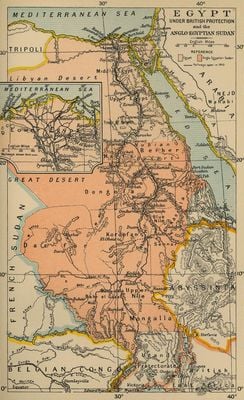
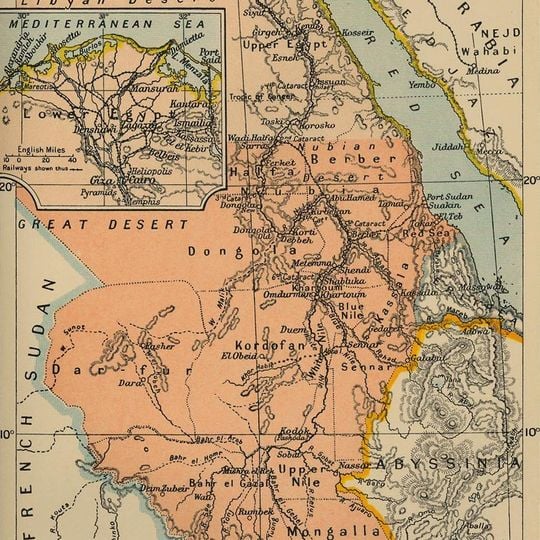
The Anglo-Egyptian Sudan was a territory in North-Eastern Africa that stretched across present-day Sudan and South Sudan, covering large areas along the Nile River from Egypt to Uganda. The region was defined by its position along the Nile and its vast geographic expanse, connecting different landscapes and climatic zones.
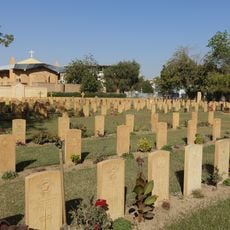
Control began in 1899 when British and Egyptian forces defeated the Mahdist forces at the Battle of Omdurman and established joint rule over the territory. This defeat ended an earlier uprising and brought a new political order to the region.
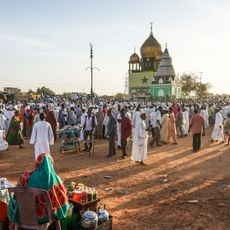
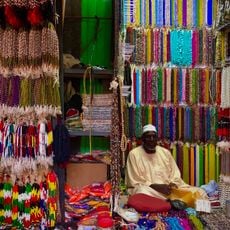
The region was home to many different ethnic groups, each speaking their own languages and practicing their own faiths, with the north predominantly Arab and Muslim while the south hosted other communities. This diversity shaped daily life and local customs across the territory.
The territory was served by a network of railways connecting Khartoum to Port Sudan and Egypt, which supported commerce and military operations. These transportation routes were essential for linking different parts of the region.
The territory operated as a condominium where Egypt and Britain shared theoretical sovereignty, though British officials ultimately controlled governance and administration. This unusual arrangement created a complex power dynamic where formal authority and actual control did not always align.
The community of curious travelers
AroundUs brings together thousands of curated places, local tips, and hidden gems, enriched daily by 92,086 contributors worldwide.