Dover Castle, Medieval castle and military museum in Dover, England
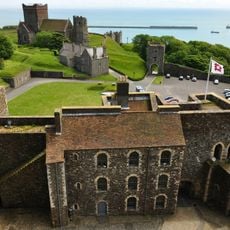
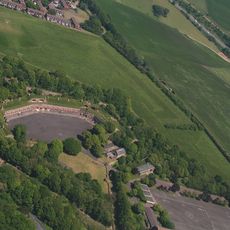
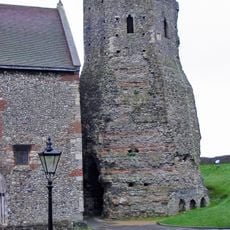
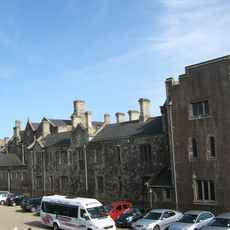
Dover Castle is a medieval fortification set high on the chalk cliffs above the English Channel, featuring thick stone walls, a large central keep, and multiple rings of defense. The complex spreads across a wide area and includes underground tunnels, barracks, and the remains of a Roman lighthouse within its walls.
The fortification was built in the 11th century on the foundations of earlier Roman and Saxon defenses. During the siege of 1216, it withstood French forces and was subsequently reinforced with massive new walls to prevent similar attacks in the future.
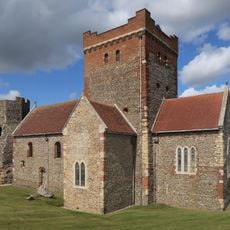
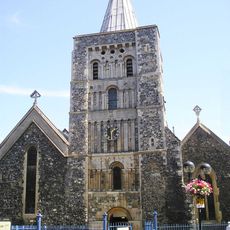
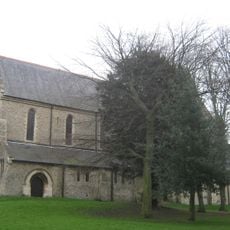
The castle's nickname, the "Key to England", comes from its position above the Strait of Dover, the shortest crossing to the continent. The site also holds the Roman lighthouse, later used as a Saxon belfry, and the church of St Mary in Castro, both standing before the medieval fortress.
The castle stands on the chalk cliffs above Dover, reached by an uphill approach road or on foot from the town centre. Allow several hours to cover the keep, the baileys and the 15-metre-deep barracks tunnels cut beneath the cliff top.
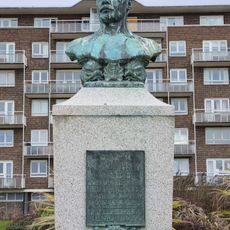
The underground tunnels from the Second World War served as the command center for the evacuation of Dunkirk in May 1940. From here, Vice-Admiral Bertram Ramsay coordinated Operation Dynamo, which rescued more than 300,000 allied soldiers across the Channel.
The community of curious travelers
AroundUs brings together thousands of curated places, local tips, and hidden gems, enriched daily by 93,084 contributors worldwide.