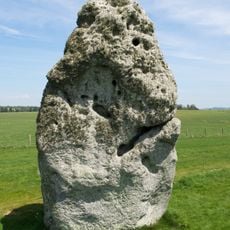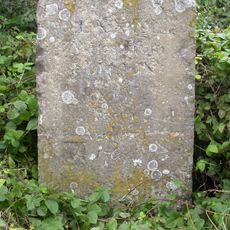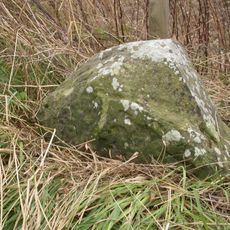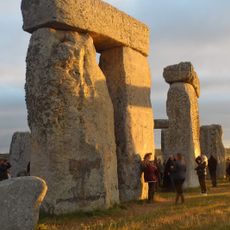
Altar Stone, Central megalith at Stonehenge, England
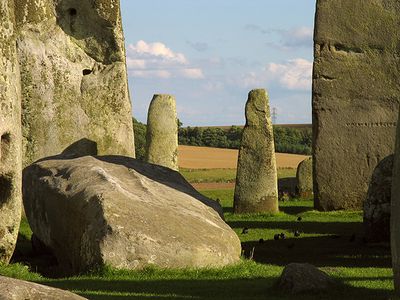
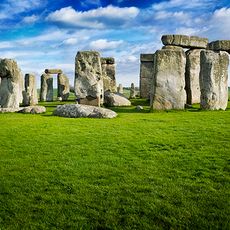
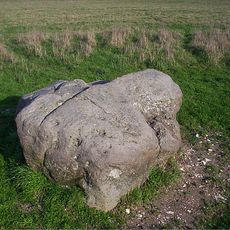
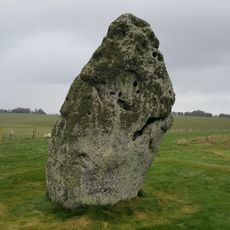
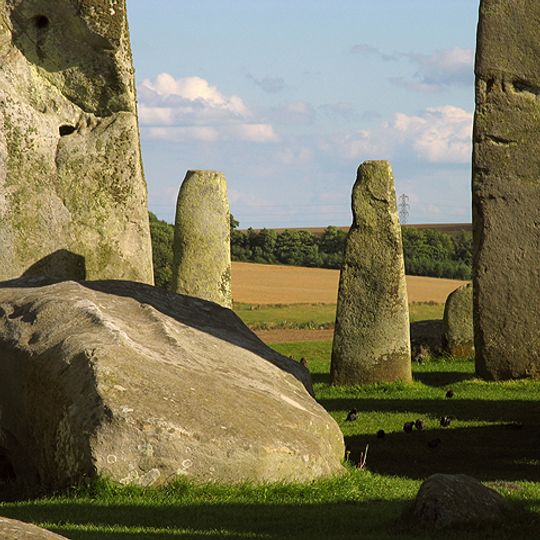
The Altar Stone is a gray-green sandstone block at the center of Stonehenge's stone circle, measuring about 5 meters long. It lies flat on the ground with another stone positioned across it.
The stone was placed at the monument's center during Stonehenge's second building phase, around 2620 to 2480 BCE. It was transported from northeastern Scotland, a journey of roughly 750 kilometers.
The name comes from architect Inigo Jones, who in 1620 suggested this stone might have served in ceremonies. Today it remains central to the stone circle's layout, drawing the eye to the heart of the formation.
The stone sits directly at the monument's center and can be seen from the regular visitor paths. Access to the site is organized year-round, though views and lighting change with the seasons.
Research completed in 2024 revealed that this stone originates from northern Scotland, representing one of the longest transport distances in prehistoric Britain. Scientists used advanced techniques to pinpoint where the stone came from.
The community of curious travelers
AroundUs brings together thousands of curated places, local tips, and hidden gems, enriched daily by 90,799 contributors worldwide.