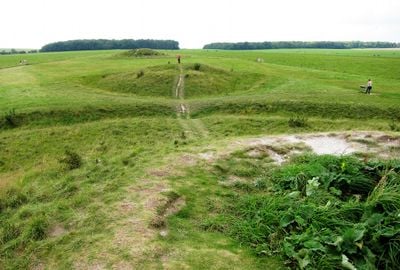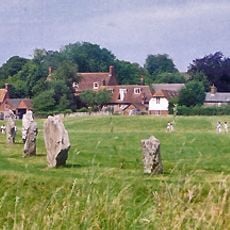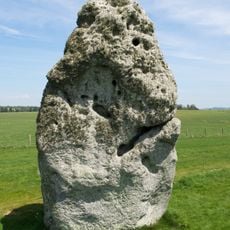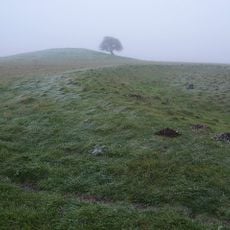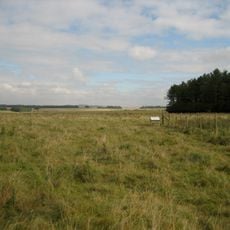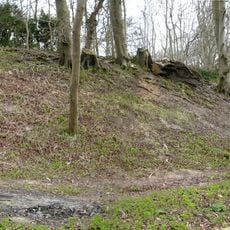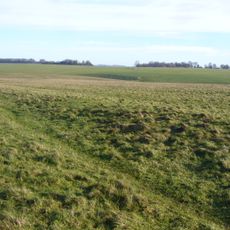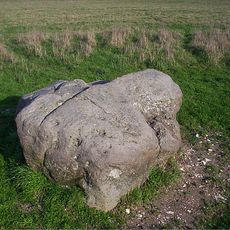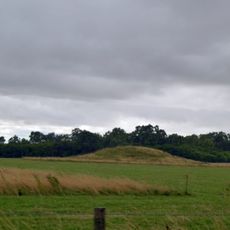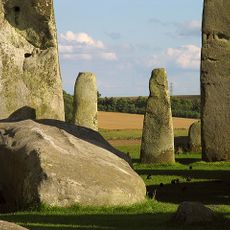
New henge at Stonehenge, Archaeological site near Stonehenge, Wiltshire, England.
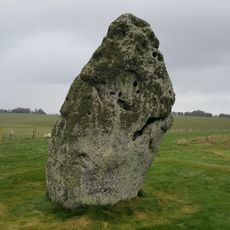
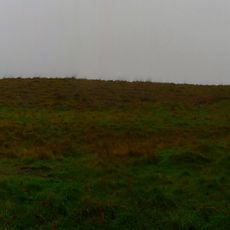
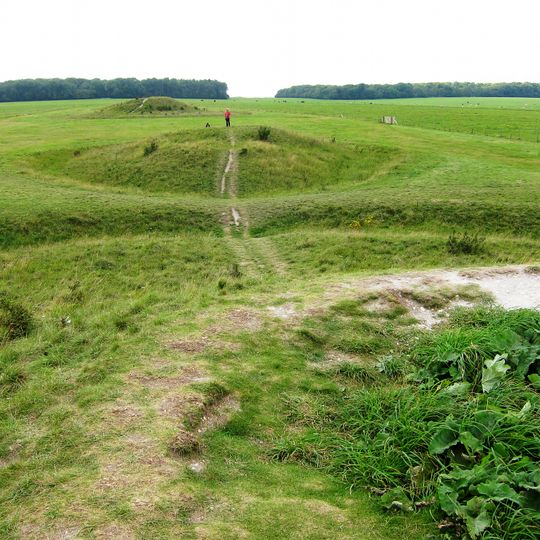
The New Henge at Stonehenge is a buried circular structure consisting of a central area surrounded by an internal ditch and an outer bank. The monument lies just a short distance from the famous stone circle and is completely hidden beneath the ground.
The structure was discovered in 2010 using ground-penetrating radar technology and dates to the late Neolithic period around 2500 BCE. Its discovery revealed that people at that time used sophisticated surveying techniques to plan and construct monumental works.
This buried structure formed part of a ritual landscape where communities gathered repeatedly to conduct their spiritual practices. It shows how people used the land around Stonehenge to express their relationship with the seasons and sky.
The site is completely buried underground and not directly accessible to the public, but visitors to the Stonehenge area can learn about it at the visitor center. Understanding this structure beforehand helps you appreciate the broader archaeological landscape when exploring the region.
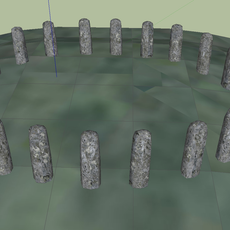
Beneath the ground lies a complete ring of wooden posts that shows the builders had advanced methods for constructing timber structures. This discovery was made possible by modern radar equipment that could reveal ancient structures without excavation.
The community of curious travelers
AroundUs brings together thousands of curated places, local tips, and hidden gems, enriched daily by 60,000 contributors worldwide.