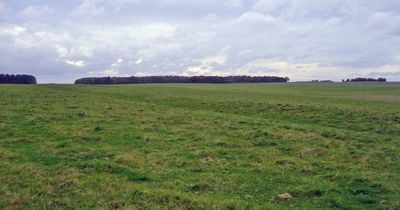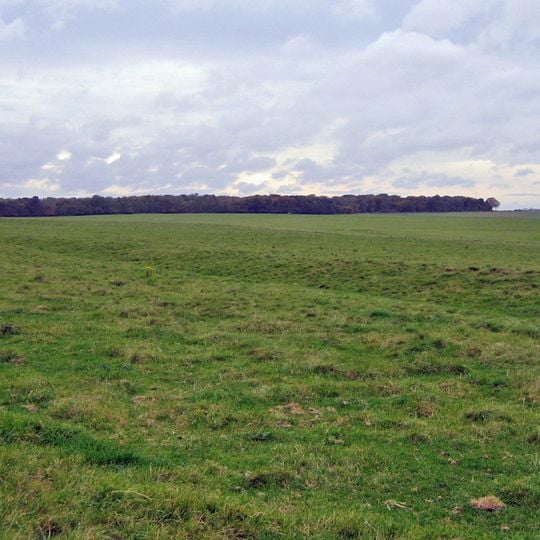
Stonehenge Cursus, Neolithic earthwork near Amesbury, England
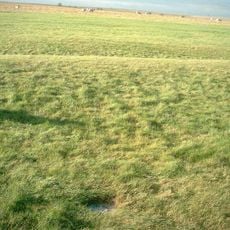
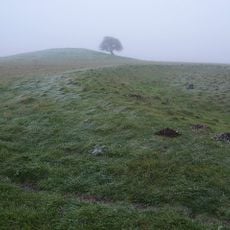
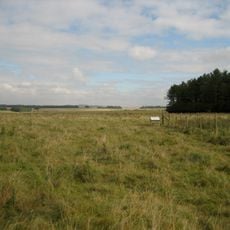
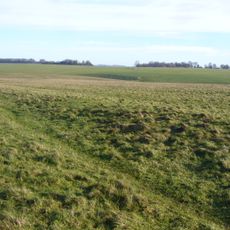
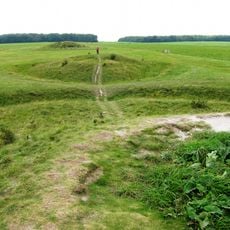
The Stonehenge Cursus is a long earthwork with two parallel ditches that extends for several kilometers, measuring between 100 and 150 meters across. Artificial pits mark each end of this rectangular structure, creating a striking linear feature in the landscape.
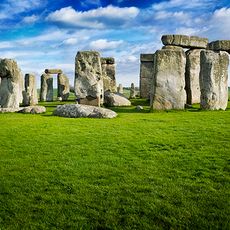
This earthwork was built in the early Neolithic period, centuries before Stonehenge itself was constructed. The parallel ditches represent an important shift in how people began reshaping the land with large-scale structures for communal purposes.
The name comes from the Latin word for "course," though the earthwork far predates Roman times. Walking along the parallel banks today, you can sense how Neolithic communities gathered here for shared rituals and events.
You can reach the site by walking along public bridlepaths that cross the National Trust land surrounding it. Wear sturdy footwear, as the paths can become muddy or waterlogged depending on weather conditions.
Excavations uncovered flint fragments and animal bones scattered along the structure, revealing that people gathered here repeatedly over time. The precise alignment of the end pits with sunrise and sunset at midsummer shows that builders understood and tracked the sun's movements with care.
The community of curious travelers
AroundUs brings together thousands of curated places, local tips, and hidden gems, enriched daily by 60,000 contributors worldwide.