Keowee, Native American archaeological site in Oconee County, South Carolina.
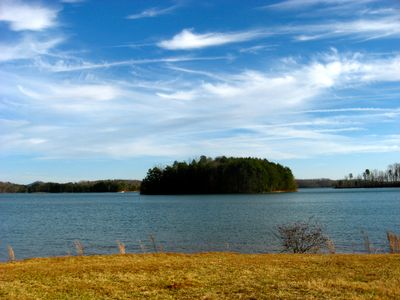
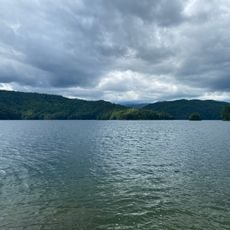
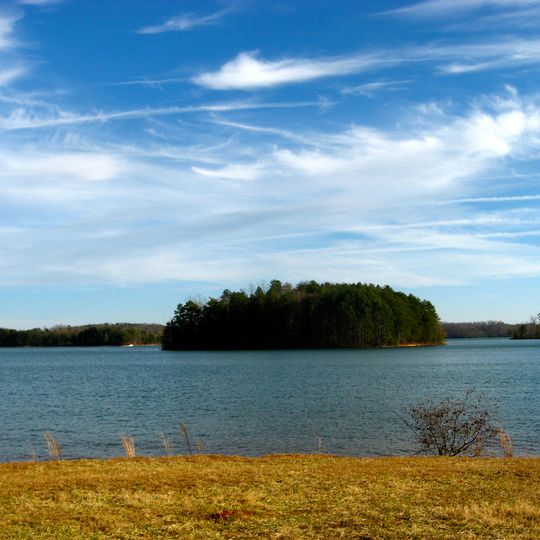
Keowee is an archaeological site along the former Keowee River in Oconee County that now lies submerged beneath Lake Keowee waters. The remains reveal the foundations of houses, work areas, and communal spaces where the Cherokee population lived and conducted daily activities.
The settlement developed as the capital of seven Lower Cherokee communities and served as a political and economic center for many generations. It was abandoned in 1760 after conflicts with European settlers led to its destruction.
This place was the center of a major Cherokee community where people lived and carried out their daily activities across many generations. The recovered artifacts show how closely the inhabitants were connected to their surroundings and what crafts they practiced.
The site is completely underwater today, so direct access or walking through it is not possible. Research findings and recovered objects can be viewed in regional museums and universities where the archaeological work is documented and displayed.
The name comes from the Cherokee language and refers to mulberry trees that grew abundantly in the area and supported the population's textile work. This economic connection to the natural environment was key to how the community survived and thrived.
The community of curious travelers
AroundUs brings together thousands of curated places, local tips, and hidden gems, enriched daily by 91,805 contributors worldwide.