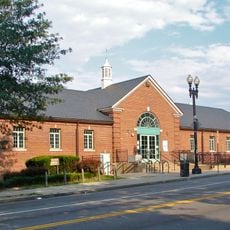
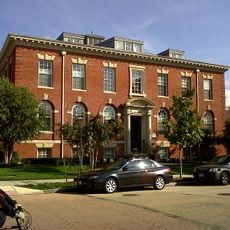
McMillan Sand Filtration Site, Historic water filtration facility in Northwest Washington, United States.
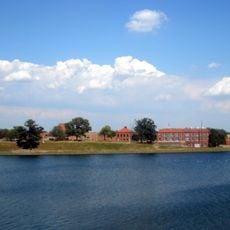
The McMillan Sand Filtration Site is a former water treatment facility in Northwest Washington, D.C., situated at the corner of North Capitol Street and Michigan Avenue. Below the open grounds lie about twenty underground vaulted cells that were once packed with sand to filter the city's drinking water.
The facility opened in 1905 and quickly helped bring typhoid outbreaks under control in Washington by filtering water drawn from the Potomac River through the Washington Aqueduct. It stopped operating in the 1980s and was later listed on the National Register of Historic Places.
The site takes its name from Senator James McMillan, who shaped much of Washington's urban planning in the early 20th century. Local groups used parts of the grounds for community gardens and outdoor gatherings over many years, giving the place a role in neighborhood life long after the filters stopped running.
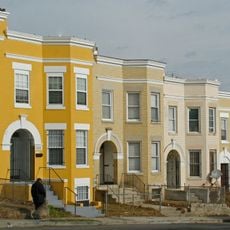
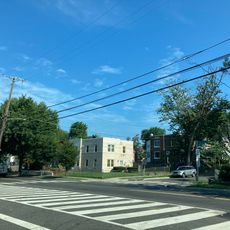
The grounds are not regularly open to visitors while a redevelopment project is underway, so it is worth checking access conditions before making the trip. The site is most easily reached from North Capitol Street, and the area around it is walkable from nearby neighborhoods.
The underground cells were built with walkable tunnels running between them so workers could move through and maintain the sand beds without flooding the chambers. This network of passages is one of the few surviving examples of its kind in the country.
The community of curious travelers
AroundUs brings together thousands of curated places, local tips, and hidden gems, enriched daily by 91,008 contributors worldwide.