Stroudwater Historic District, historic district in Maine, United States
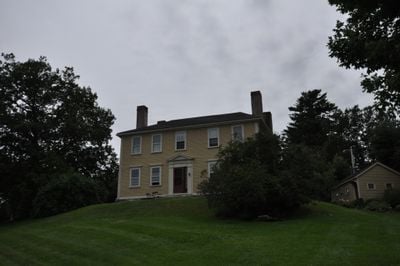
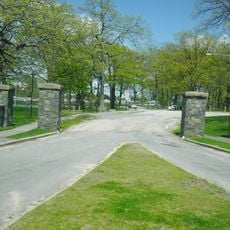
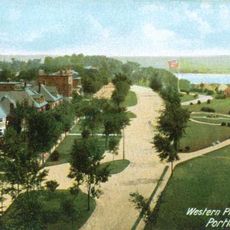
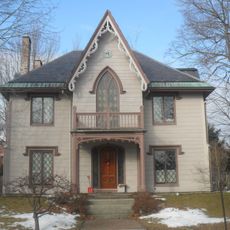
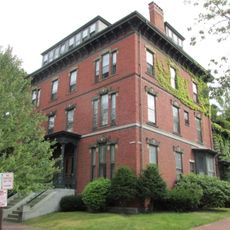
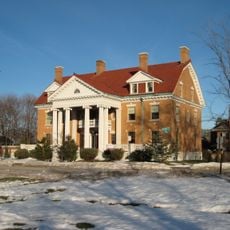
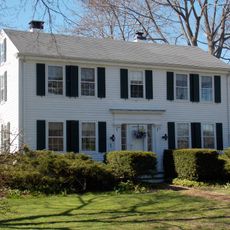
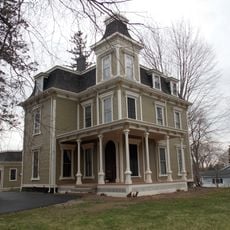
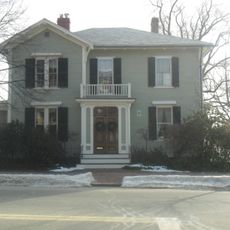
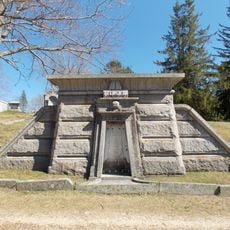
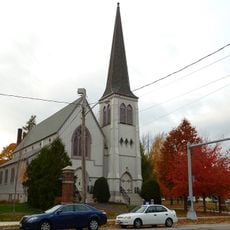
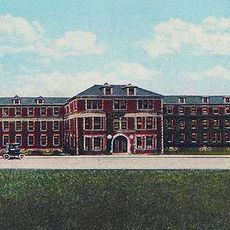
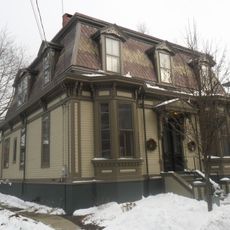
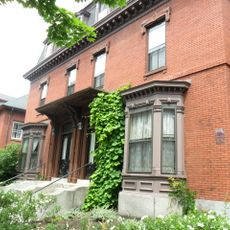
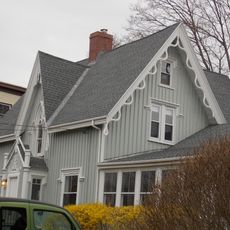
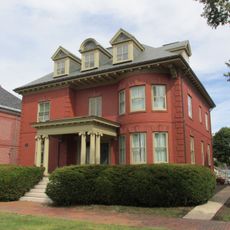
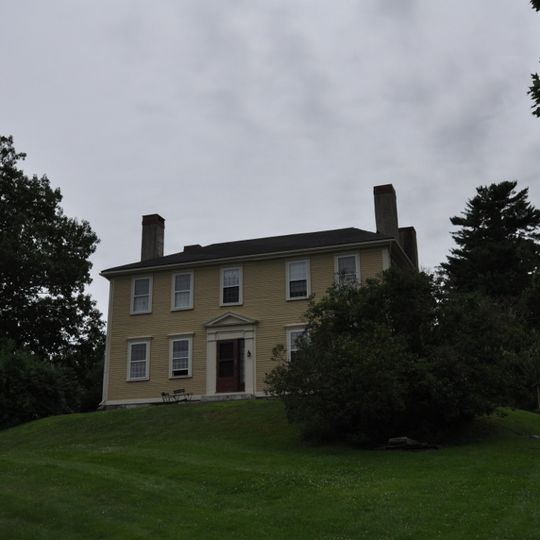
Stroudwater Historic District is a neighborhood in Portland, Maine, containing homes from various periods and sites tied to the area's early settlement and trade. It spreads from the Stroudwater River through residential blocks and includes period houses, a museum in a colonial home, and an old burial ground.
The area was founded in the early 1700s as one of the region's first villages and grew as a center for shipbuilding and timber trade. It became an important transport hub after the Cumberland & Oxford Canal opened in the 1830s to move goods toward Portland.
The neighborhood takes its name from the Stroudwater River, which once anchored daily work and trade in the area. Walking through today, you can see historic homes that housed generations of families and reflect how residents built their lives with skill and care.
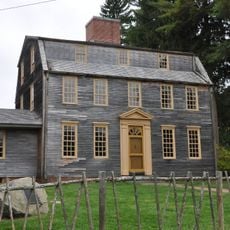
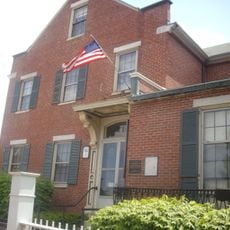
The area is best explored on foot, with walking trails along the old canal route and through the Salt Marsh providing good access. The Tate House Museum is the main building for visitors and offers a look into how people lived during colonial times.
A notable feature is the white pine trees that were cut for shipbuilding and marked with a broad arrow symbol to show they belonged to the king. This special practice reveals how valuable these trees were to the British Navy during the colonial period.
The community of curious travelers
AroundUs brings together thousands of curated places, local tips, and hidden gems, enriched daily by 60,000 contributors worldwide.