Sydenham Hospital for Communicable Diseases, former hospital in Maryland, United States
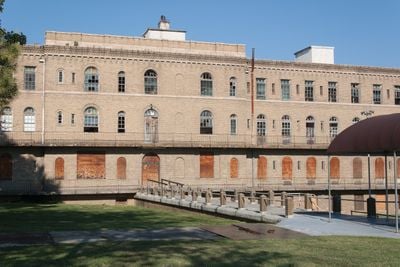
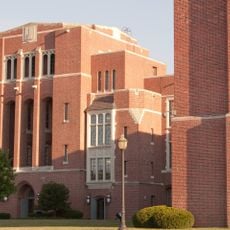
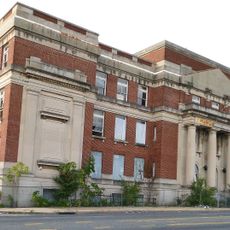
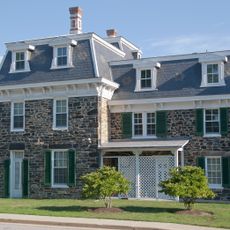
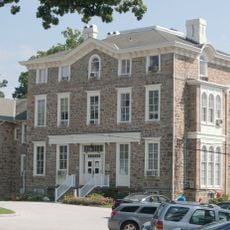
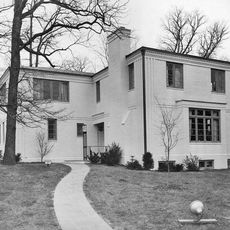
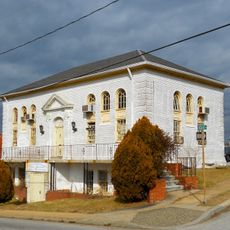
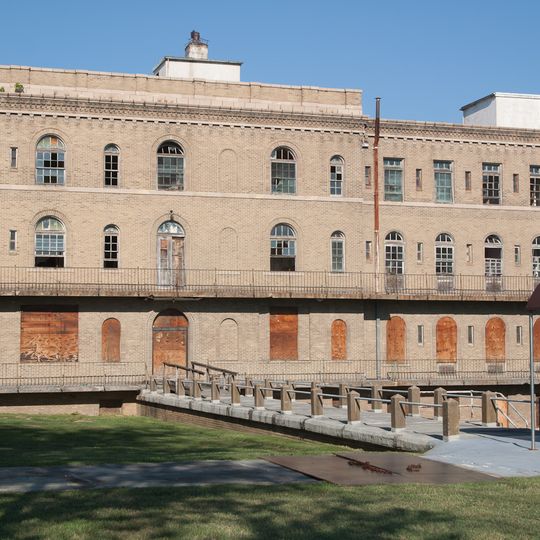
Sydenham Hospital for Communicable Diseases was a hospital in Baltimore built in the early 1920s in Renaissance Revival style with Mediterranean influences. The campus contained seven buildings constructed of buff brick with stone and terra-cotta details, arranged around open spaces with the main hospital building at the center, along with administration offices, kitchen, nurses' residence, laundry, garage, and power plant, with a medical research director's house added in 1939.
The original small facility opened in 1909 with just 35 beds but experts from Johns Hopkins declared it inadequate in 1914 due to lack of city investment. After decades of neglect, a new mayor approved a larger campus in 1922, and architect Edward Hughes Glidden designed a new complex that opened in 1924. The expanded hospital served for decades treating infectious diseases and conducting medical research before shifting to chronic care in the 1950s, eventually closing in 1996 when operations moved to a new site.
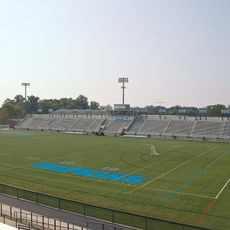
The site sits on hilly ground overlooking Herring Run and Quarry Pond, near Memorial Stadium and Baltimore's water treatment facilities. Today the main buildings are gone, demolished in 2013, but the location remains accessible to those interested in exploring the empty lot and learning about the hospital's role through preserved historical records and documentation from its National Register listing.
Within the abandoned buildings was a morgue in the basement, a cool and quiet space that remained well-preserved due to minimal use and darkness. This hidden component of hospital infrastructure reveals an often-overlooked chapter in how medical facilities handled death and operated beyond the main treatment areas.
The community of curious travelers
AroundUs brings together thousands of curated places, local tips, and hidden gems, enriched daily by 91,000 contributors worldwide.