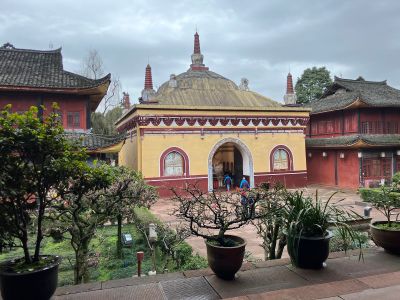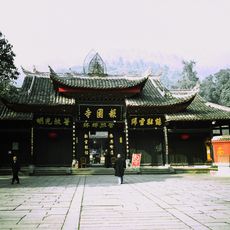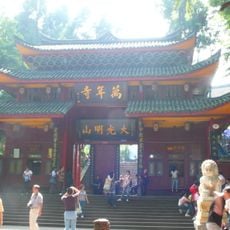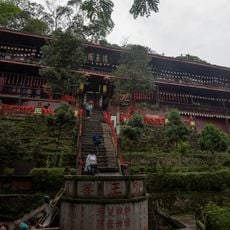
峨眉山古建筑群, Buddhist architectural complex at Mount Emei, China.
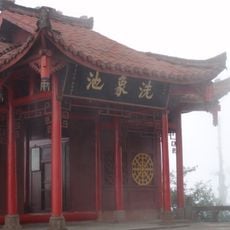
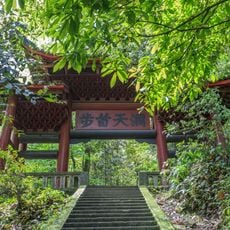
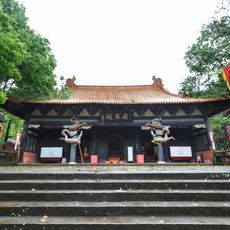
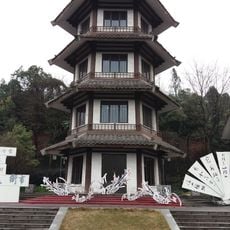
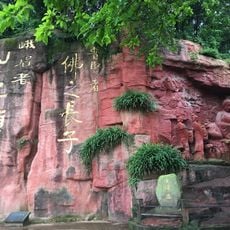
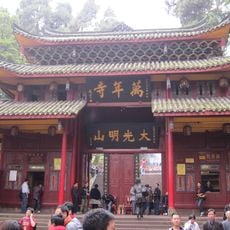
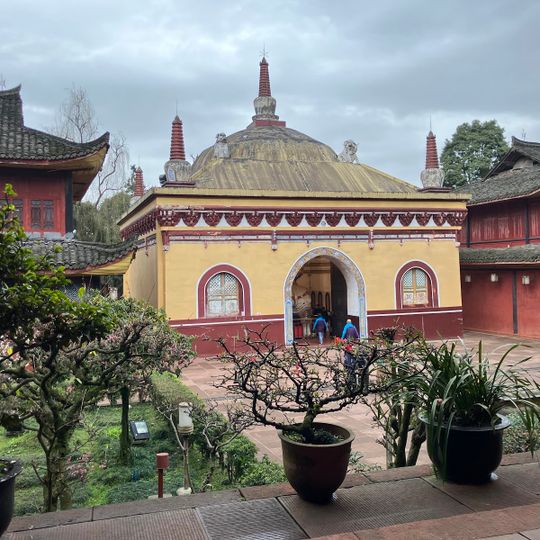
The complex spreads across Mount Emei with dozens of temples and shrines positioned at different elevations, showcasing architectural styles from multiple Chinese periods. These buildings display traditional timber and stone construction with ornate roof decorations, connected by stone staircases and mountain paths winding through forested areas.
Religious construction on the mountain began around the 1st century BCE, but the site flourished during the Tang Dynasty when it became a major pilgrimage destination. Subsequent dynasties added new temples and renovated older ones, layering different architectural traditions across centuries.
The temples serve as active worship spaces where visitors and monks gather daily, creating scenes of incense burning, prayer, and spiritual devotion. These sanctuaries shape how people experience the mountain itself, turning it into a place of personal pilgrimage and reflection.
The complex remains open year-round, with cable cars and shuttle buses connecting different elevations to make movement between temples easier. Wear comfortable hiking shoes and weather-appropriate layers, as paths are steep and weather at higher elevations can change quickly.
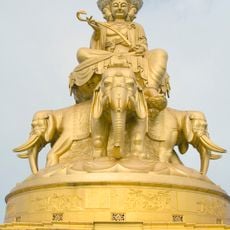
A monumental bronze statue of Samantabhadra riding four elephants stands at the mountain's highest point, overlooking the valley below and illuminated dramatically at night. This modern addition has become one of the most photographed elements of the site, attracting visitors specifically to witness this striking sight.
The community of curious travelers
AroundUs brings together thousands of curated places, local tips, and hidden gems, enriched daily by 92,323 contributors worldwide.